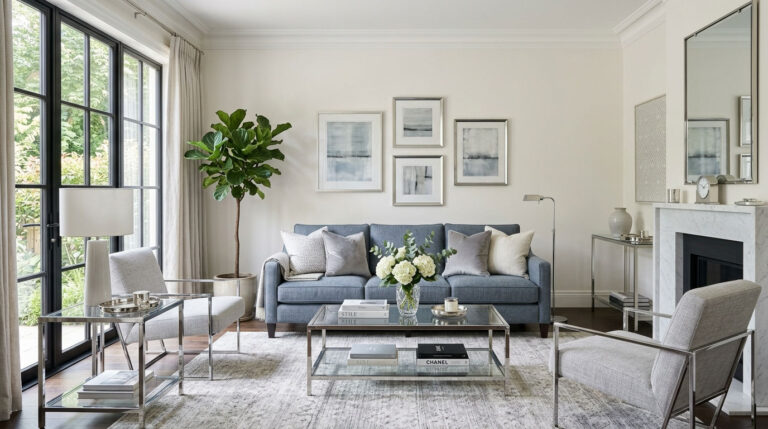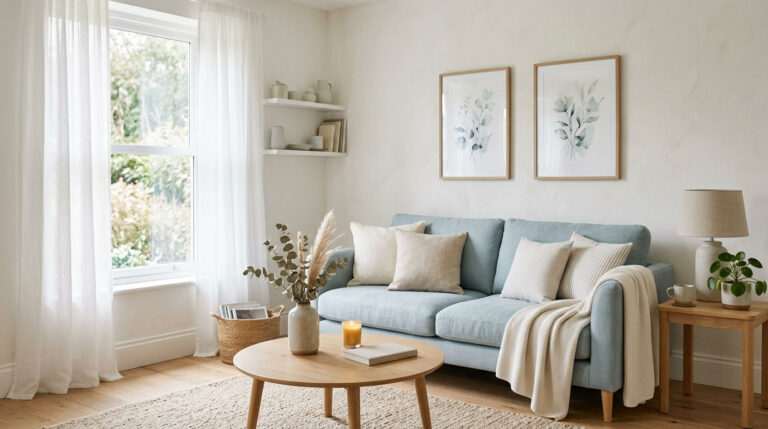
15 Floating Sofa Living Room Layout Ideas That Open Up the Space
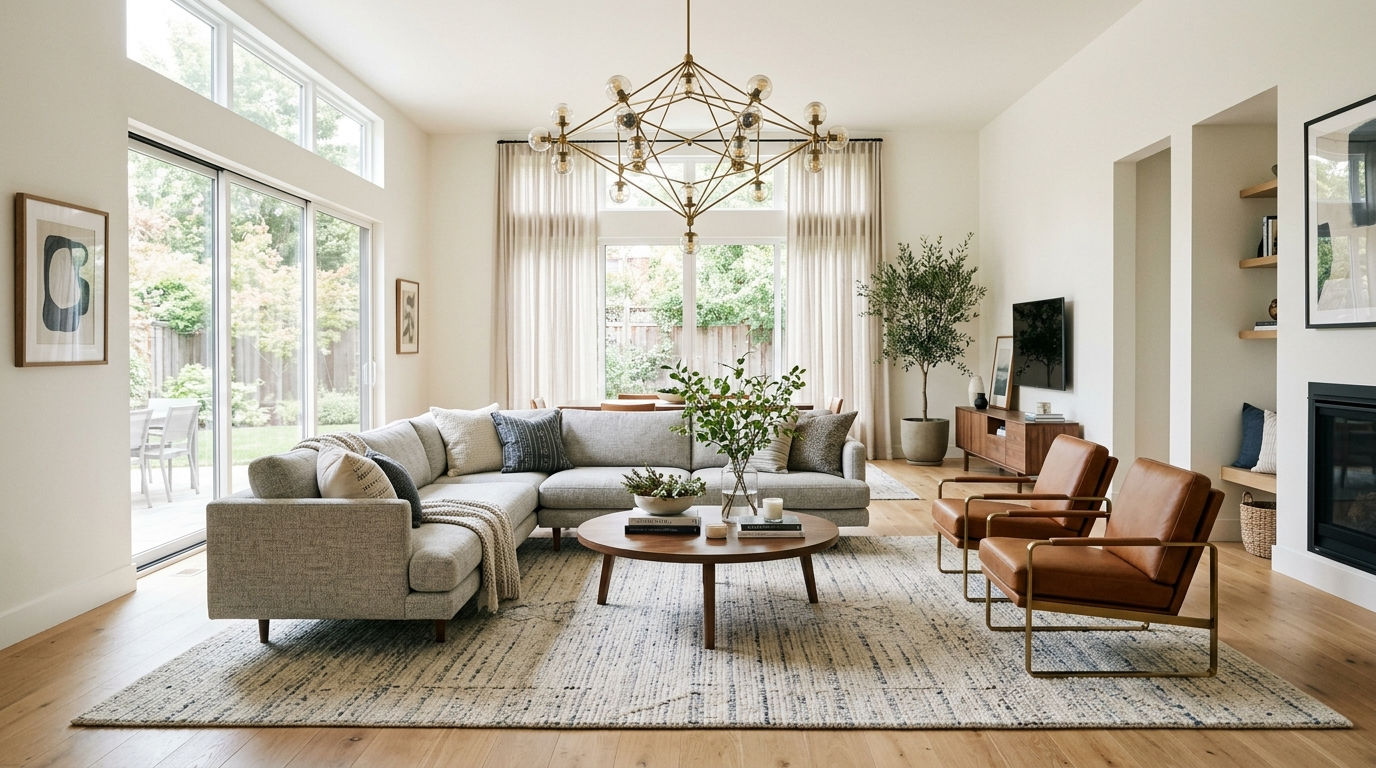
You know that awkward living room where the sofa hugs the wall like it’s scared of commitment? Yeah… I used to arrange my furniture like that too. Then I discovered the magic of a floating sofa living room layout, and everything changed.
When you pull the sofa away from the wall and let it “float,” you instantly create better traffic flow, define zones in an open concept layout, and make the room feel bigger. Sounds dramatic? It is. And it works.
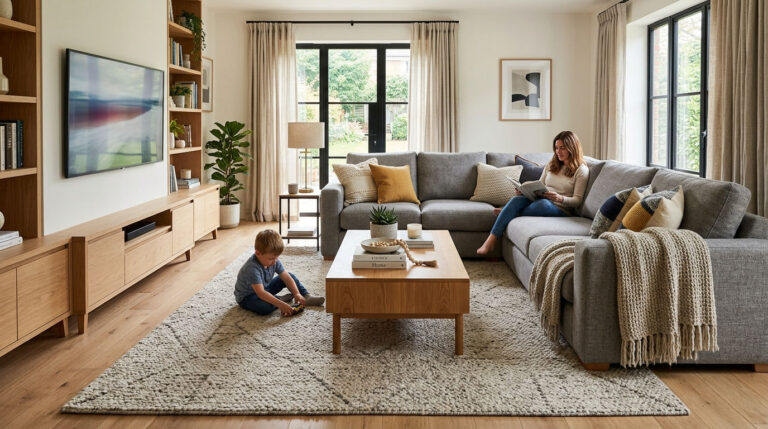
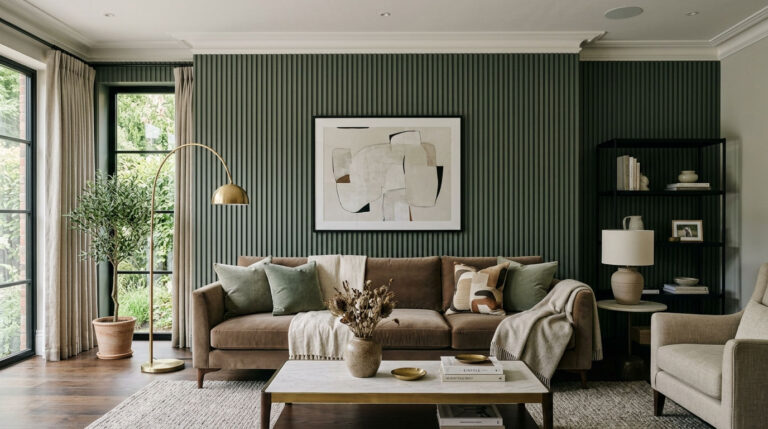
If you want a living room layout that opens up the space, feels intentional, and actually looks designer-level, you’re in the right place. Let’s walk through 15 ideas that completely transform how your living room feels—without knocking down a single wall.
1. Center Stage Comfort

Placing your sofa right in the middle of the room feels rebellious at first. I get it. You might think, “Won’t this make the room feel crowded?” Actually, it does the opposite.
When you create a centered seating arrangement, you anchor the entire living room around one strong focal point. You stop relying on walls for structure and start defining space with furniture.
Why This Layout Works
- Creates a conversation-friendly zone
- Establishes a clear focal point like a fireplace or TV wall
- Improves circulation in larger spaces
- Makes open floor plans feel intentional
You position the sofa facing your main feature—maybe a fireplace, media wall, or large window. Then you add a rug underneath to visually “hold” everything together. That rug becomes the boundary of your living room zone.
Ever walked into a space that felt balanced but you couldn’t explain why? That’s what this layout does. It introduces symmetry and order without making the room stiff.
IMO, this layout works best in open-concept living rooms where you need visual structure. It feels bold, but once you try it, you’ll never shove a sofa against the wall again 🙂
2. Window-Facing Serenity

If you have large windows, why not let your sofa celebrate them? Instead of placing it flat against a wall, float it so it faces natural light.
Natural light transforms a space. When you align your sofa with panoramic windows, you maximize daylight and create a soft, airy vibe.
Key Benefits
- Enhances natural lighting
- Creates a calming, view-focused layout
- Makes smaller rooms feel expansive
- Encourages a relaxed atmosphere
You position the sofa about a foot or two from the window, not blocking it but honoring it. Add sheer curtains and a light area rug to keep things soft.
Ever notice how a sunlit living room instantly feels bigger? Light equals visual openness. That’s basic interior design psychology.
I love this layout in Scandinavian-inspired interiors or minimalist living rooms. It creates a serene mood without trying too hard. And honestly, who doesn’t want a sofa spot that feels like a quiet retreat at the end of the day?
3. Floating & Framed by Rugs
Rugs do more than warm your toes. They define space.
When you float your sofa in the center of a large area rug, you visually frame the entire seating zone. This trick works incredibly well in loft-style apartments or open floor plans.
How to Do It Right
- Choose a rug large enough to fit at least the front legs of the sofa
- Center the sofa on the rug
- Add a coffee table to reinforce the boundary
- Use contrasting textures for depth
The rug becomes your invisible wall. It tells the eye, “This is the living area.” You create separation without adding physical barriers.
Ever wondered why some rooms feel disorganized even when they’re clean? Usually, they lack visual zoning. Rugs fix that instantly.
I personally love pairing a navy or charcoal sofa with a bold patterned rug. It adds drama without clutter. It also elevates your living room furniture layout from random to intentional in seconds.
4. Back-to-Back Beauty

This layout screams confidence.
You place two sofas back-to-back in the center of a large room. One faces the TV or fireplace. The other faces a reading nook or secondary seating area.
Why It Works
- Creates dual conversation zones
- Maximizes large living spaces
- Improves flow in open concept layouts
- Adds symmetry and elegance
You essentially split the room into two functional spaces without building walls. That’s smart design.
I recommend this layout in homes with wide rectangular living rooms. It prevents the space from feeling like a furniture showroom with random pieces floating around.
Ever struggled to make a large living room feel cozy? This layout solves that instantly. You break up the space and give it purpose.
Yes, it requires room. No, it doesn’t work in tiny apartments. But when it fits, it feels luxurious and intentional.
5. Minimalist Mid-Room Magic

Minimalists, this one’s for you.
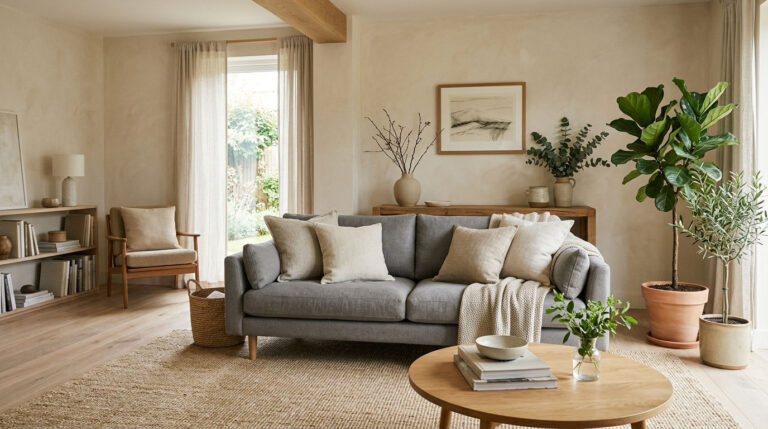
You float a sleek sofa away from the wall and keep everything else clean and uncluttered. The room breathes.
Design Essentials
- Neutral color palette
- Clean-lined furniture
- Minimal accessories
- Balanced lighting
This layout works because it removes visual noise. You let the negative space shine.
Ever noticed how too much furniture makes a room feel smaller? When you float a single sofa and resist over-decorating, you emphasize openness.
I love this in modern apartments where you want that effortless, Instagram-worthy aesthetic. You don’t overcrowd the space. You don’t over-style it. You let the architecture speak.
If you crave a modern living room layout that feels open and airy, this approach nails it.
6. Floating Sofa + Console Divider

This trick feels subtle but powerful.
You float the sofa and place a slim console table behind it. That console becomes a visual divider between living and dining areas.
Why Add a Console?
- Creates storage without bulk
- Defines open-plan zones
- Adds surface space for lighting or decor
- Improves visual layering
The console acts like a soft partition. It gives structure while keeping the room open.
I love adding table lamps on the console. They create warm, layered lighting that enhances the cozy factor.
Ever walked into a room where everything felt connected but not chaotic? That’s what this layout achieves. It maintains open concept flow while preventing furniture from looking random.
FYI, this works especially well in medium-sized living rooms where you need definition but don’t want walls.
7. Cozy Corner Without Walls

Diagonal placement changes everything.
You float the sofa at an angle instead of parallel to walls. It feels playful and intentional.
Benefits of Angled Layouts
- Softens boxy rooms
- Creates visual interest
- Improves conversation flow
- Adds personality
This layout works beautifully in boho or eclectic spaces. It breaks symmetry in a good way.
Ever feel like your living room looks too predictable? Angles shake things up.
I once tried this in a square room that felt stiff. The diagonal sofa instantly made it feel relaxed and welcoming. It looked designed instead of arranged.
If you want a creative living room furniture layout, this one adds character without adding clutter.
8. Floating in a Small Apartment

You might think floating a sofa only works in large homes. Not true.
In small apartments, you float a loveseat slightly away from the wall to separate the entry from the living area.
Smart Space Strategy
- Use compact furniture
- Keep pathways clear
- Add mirrors for depth
- Choose light colors
You create zones even in tight quarters. That separation makes the apartment feel larger.
Ever walked into a studio that felt messy? Usually, everything blends together. Floating the sofa fixes that.
I love using this trick in urban apartments. It feels intentional instead of cramped.
A small living room layout with a floating sofa improves flow more than pushing everything against the wall ever could.
9. Luxury Hotel-Inspired Layout

Want your living room to feel like a five-star suite?
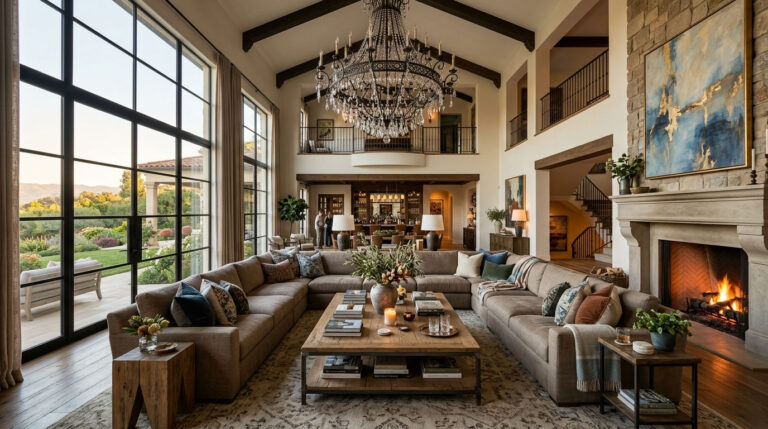
Float a large velvet sofa in the center under a statement chandelier. Anchor it with a plush rug and marble coffee table.
Key Design Moves
- Use rich fabrics like velvet
- Add layered lighting
- Maintain symmetry
- Choose a neutral luxury palette
This layout feels polished and elevated.
Ever noticed how hotels rarely shove sofas against walls? They center them to create balanced seating areas.
I love this approach in high-ceiling spaces. It commands attention without feeling crowded.
If you crave a luxury living room design that opens up the space, this one delivers drama and elegance.
10. Open Concept Flow

In open kitchen-living spaces, a floating sectional works like magic.
You place it between the kitchen and living room to define zones.
Why It’s Smart
- Separates functions without walls
- Maintains sightlines
- Encourages social interaction
- Supports traffic flow
You maintain openness while clearly signaling where the living room begins.
Ever struggled with an open floor plan that feels too open? This layout fixes that.
I personally love using L-shaped sectionals for this setup. They hug the space without closing it off.
A floating sectional layout creates balance in modern open homes.
11. Floating Sofa with Statement Lighting

Lighting changes everything.
You float the sofa directly beneath a bold pendant or chandelier. That light fixture becomes the anchor.
Design Tips
- Center the sofa under the light
- Layer ambient and task lighting
- Use dimmers for flexibility
- Keep furniture proportional
You draw the eye upward while defining the seating area.
Ever feel like something looks off in your living room? It might lack a focal point. Statement lighting fixes that instantly.
I love how this setup creates drama without clutter. It feels intentional and sophisticated.
12. Symmetry in the Center

If you love order, symmetry will make you happy.
You center the sofa and mirror the layout with matching armchairs or side tables.
Why Symmetry Works
- Creates visual harmony
- Feels balanced and calm
- Enhances formal living rooms
- Supports classic interior design
You design with intention instead of randomness.
Ever walked into a room that felt “right” but you couldn’t explain why? Symmetry usually plays a role.
This layout works beautifully in traditional or transitional spaces.
13. Boho Open-Air Layout

Boho style thrives on openness.
You float a sofa with exposed legs and layer it with plants, woven textures, and natural materials.
Boho Essentials
- Rattan or wood elements
- Indoor greenery
- Textured rugs
- Earthy color palette
You create an airy, relaxed vibe.
I love how this layout feels effortless but curated. It invites conversation and comfort.
Ever wanted your living room to feel like a creative retreat? This layout gives you that freedom.
14. Floating with a View

If you have patio doors or a balcony, orient the sofa toward it.
You emphasize indoor-outdoor flow and maximize sightlines.
Why It Feels Bigger
- Extends visual depth
- Enhances natural light
- Creates openness
- Connects interior with exterior
You trick the eye into seeing more space.
I tried this once in a narrow living room, and it instantly felt twice as deep.
Ever underestimate the power of a view? Don’t.
15. Layered Texture Lounge

Texture transforms a floating sofa layout.
You combine chunky throws, linen curtains, wood tables, and soft lighting around a centered sofa.
Texture Tips
- Mix fabrics and finishes
- Layer lighting sources
- Keep color palette cohesive
- Avoid overcrowding
You create coziness without closing off the room.
Ever notice how texture adds warmth without adding bulk? That’s the magic.
This layout balances openness with comfort. It keeps the space airy but inviting.
Conclusion: Let Your Sofa Breathe
Floating your sofa might feel risky at first. But once you try it, you’ll wonder why you ever glued it to the wall.
You define zones.
You improve flow.
You open up the space.
Whether you choose symmetry, a console divider, angled placement, or an open concept sectional, each floating sofa living room layout idea transforms your space without renovation.
So tell me—are you ready to pull that sofa away from the wall and let it breathe? 😌

Sarah Rose writes for EcoGardeningHub, sharing eco home decor ideas, sustainable styling tips, and simple ways to create beautiful, nature-inspired living spaces with a mindful, environmentally friendly approach.