Sofa Leg Styles Explained: How Legs Affect the Look of Your Living Room
Of all the details that determine how a sofa looks in a room, the legs are among the most underappreciated. Most buyers spend considerable time deliberating over fabric, colour, cushion arrangement, and overall silhouette — and almost no time thinking about the four (or more) small structural elements holding the whole thing off the floor.
This is a mistake. Sofa legs are not a minor detail. They affect the perceived weight and scale of the sofa, the visual lightness or heaviness of the room, the ease of cleaning underneath, the interior design style the sofa belongs to, and even the comfort of getting on and off the piece. Change the legs on a sofa — something many manufacturers and upholsterers can actually do — and you change the entire character of the piece.
This guide covers every major sofa leg style in detail: what it looks like, the design traditions it belongs to, the materials it typically comes in, and the rooms and aesthetics it works best in. By the end, you will have a clear framework for understanding why the legs on any sofa look the way they do — and whether they are right for the room you are creating.
Why Sofa Legs Matter More Than Most People Realise
Before diving into specific styles, it is worth understanding exactly what legs contribute to a sofa’s overall appearance and function.
Visual Weight and Room Scale
The most significant effect sofa legs have is on visual weight — how heavy or light the sofa appears in the room. A sofa with no visible legs, sitting directly on the floor or on a low plinth, presents as a solid, unbroken mass. All of that mass reads at floor level, which can make a room feel heavier and the sofa more dominant.
A sofa raised on clearly visible legs — particularly tall, slender ones — breaks the connection between the sofa and the floor. You can see the floor beneath it, which creates a sense of visual continuity across the room. The sofa appears lighter, the room appears more open, and the overall effect is less imposing regardless of the sofa’s actual size.
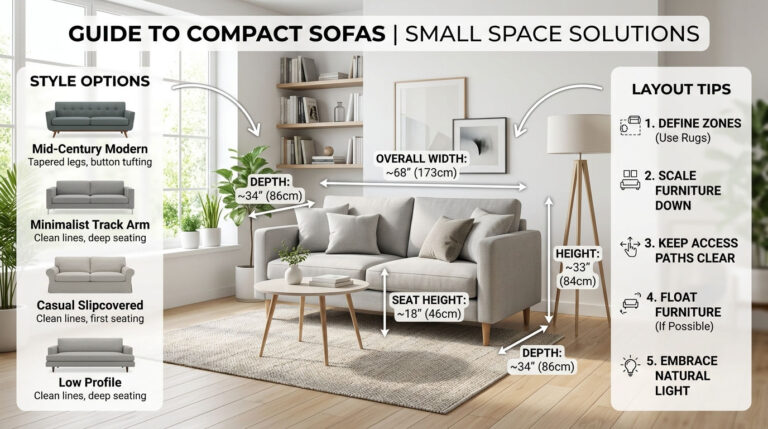
In small rooms, this difference can be genuinely transformative. Choosing a sofa with 6-inch (15 cm) tapered wooden legs over one that sits directly on the floor can make a compact living room feel meaningfully more spacious — not because anything has physically changed, but because the visual flow of the floor is preserved rather than interrupted.
Design Style and Period Associations
Leg styles carry strong associations with specific interior design traditions and historical periods. Cabriole legs immediately signal traditional, period, or French-influenced design. Hairpin legs signal mid-century modern or industrial style. Block legs signal contemporary or Scandinavian minimalism. These associations are not arbitrary — they evolved from the furniture traditions of different eras and cultures — and they are surprisingly powerful.
A sofa with the wrong leg style for the intended design aesthetic can feel subtly or obviously out of place even when everything else is right. Conversely, a relatively simple sofa can feel much more considered and design-conscious simply by having legs that are perfectly matched to the room’s aesthetic direction.
Practical Considerations
Beyond aesthetics, legs affect how easy it is to clean underneath the sofa (taller legs make this far easier), how straightforward it is to get in and out of the sofa (higher legs raise the seat height, which benefits people with mobility considerations), and how stable the sofa feels in use (leg style and attachment method both affect structural stability).
The Major Sofa Leg Styles
1. Tapered Legs
What they look like: Straight legs that are wider at the top (where they attach to the frame) and narrow progressively toward the floor, ending in a defined point or small foot.
Design tradition: Tapered legs are strongly associated with mid-century modern design — the furniture movement of the 1950s and 1960s that drew on Scandinavian simplicity, American post-war optimism, and a clean-lines aesthetic that rejected the ornamental excesses of earlier furniture traditions. The tapered leg is perhaps the defining detail of mid-century modern sofas, appearing on iconic pieces by designers like Hans Wegner, Finn Juhl, and countless American furniture makers of the era.
Materials: Most commonly solid hardwood — walnut, oak, teak, and beech are the traditional choices, with walnut being the classic mid-century material. Also available in painted wood (white and black are popular contemporary choices) and occasionally in metal with a tapered profile.
Height range: Typically 4 to 8 inches (10 to 20 cm), with 6 inches (15 cm) being the most common mid-century specification.
What it does for the room: Tapered legs elevate the sofa visually, creating space beneath it that keeps the room feeling open and light. The angled line of the taper adds subtle visual energy — more dynamic than a perfectly straight leg, less decorative than a carved or shaped one. In the right room, a walnut tapered leg is a detail of genuine elegance.
Best for: Mid-century modern interiors, Scandinavian-influenced spaces, contemporary rooms with warm material palettes, eclectic rooms where a classic design-conscious detail is wanted without full commitment to a historical style.
Avoid with: Heavily traditional or ornate interiors where the clean, modern line of a tapered leg feels anachronistic. Very rustic spaces where the refined profile looks out of place.
2. Hairpin Legs
What they look like: Thin metal legs made from bent steel rod, typically in an inverted V or Y shape when viewed from the side. The defining characteristic is the extreme slenderness of the metal and the minimal visual footprint it creates.
Design tradition: Hairpin legs were developed in the early 1940s — attributed to American designer Henry Glass — and became strongly associated with the mid-century modern and industrial design movements. Their revival in the early 2010s as part of the broader mid-century modern resurgence made them one of the most recognisable contemporary furniture details, appearing on coffee tables, dining tables, and sofas across the design spectrum.
Materials: Almost always metal — most commonly powder-coated steel in black (the most popular finish), white, or natural/raw steel. Brass and copper finishes are available and have become increasingly fashionable.
Height range: Typically 6 to 10 inches (15 to 25 cm) — they tend to be taller than wooden legs, which contributes to the high, light aesthetic they create.
What it does for the room: Hairpin legs maximise visual lightness. Because the metal is so thin, the legs create almost no visual mass of their own — they hold the sofa above the floor while contributing minimal visual weight. In a room where lightness and openness are priorities, hairpin legs are one of the most effective tools available.
Best for: Industrial interiors, mid-century modern rooms, eclectic urban spaces, loft-style environments. Particularly effective when combined with softer, more textural upholstery materials (velvet, linen, boucle) — the contrast between the hard, slender metal and the soft fabric is visually compelling.
Avoid with: Traditional, country, or classical interiors where the industrial-modern character of hairpin legs feels entirely mismatched. Very formal rooms where the informality of the style is inappropriate.
3. Block Legs (Square Legs)
What they look like: Straight-sided legs with a consistent rectangular or square profile from top to bottom — no taper, no curve, no decorative detail.
Design tradition: Block legs belong firmly to contemporary and minimalist design. They are the leg of choice for modern Scandinavian furniture, contemporary British design, and any aesthetic where simplicity and restraint are the guiding principles. The clean geometry of a block leg makes no decorative statement of its own — it is entirely subordinate to the sofa’s overall form.
Materials: Solid hardwood (oak is particularly common in Scandinavian and contemporary British designs), painted or lacquered wood in white or black, and occasionally brushed or polished metal in a rectangular profile.
Height range: Typically 3 to 6 inches (8 to 15 cm) — block legs tend to be lower than tapered or hairpin legs, sitting the sofa closer to the floor and giving it a more grounded, deliberate feel.
What it does for the room: Block legs create a sense of structural honesty and simplicity. They do not draw attention to themselves. The sofa sits solidly and purposefully, without the softening taper of mid-century legs or the decorative flourish of traditional ones. In a well-designed contemporary room, this understatement is a positive quality — the legs disappear into the overall composition.
Best for: Contemporary minimalist interiors, Scandinavian-influenced rooms, modern apartments, any space where restraint and clean geometry are the dominant design values.
Avoid with: Highly decorative or traditional interiors where the blankness of a block leg looks unfinished rather than refined. Rooms where the floor-to-sofa visual gap is important for creating lightness — block legs tend to sit the sofa lower than other styles.
4. Turned Legs
What they look like: Cylindrical legs shaped on a lathe, with a profile that includes bulges, narrowings, and decorative rings or grooves along their length. The result is a leg with visual rhythm and surface complexity — the traditional cabinetmaker’s leg shape that has appeared in European furniture for several centuries.
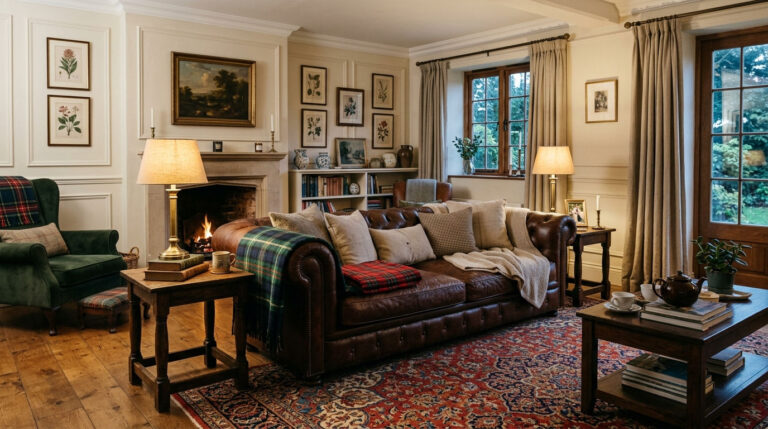
Design tradition: Turned legs belong to traditional European furniture making — they appear in Georgian, Victorian, and Edwardian furniture, in French provincial styles, and in the various historical revival movements that have periodically reinterpreted these traditions. They are the quintessential leg of the formal sofa, the Chesterfield, the button-backed settee, and any piece that wants to signal heritage, craftsmanship, and period design sensibility.
Materials: Solid hardwood — mahogany, walnut, cherry, and oak are the traditional choices. Often stained dark for a formal effect or painted (white or cream) for a French provincial or cottage-style interpretation.
Height range: Typically 4 to 7 inches (10 to 18 cm), with the profile of the turning rather than the height being the primary visual variable.
What it does for the room: Turned legs add decorative complexity and a sense of craftsmanship. They are not minimalist — they make a statement about their own construction and the furniture tradition they belong to. In a room that embraces traditional design, they feel entirely right. In a room that does not, they feel mannered.
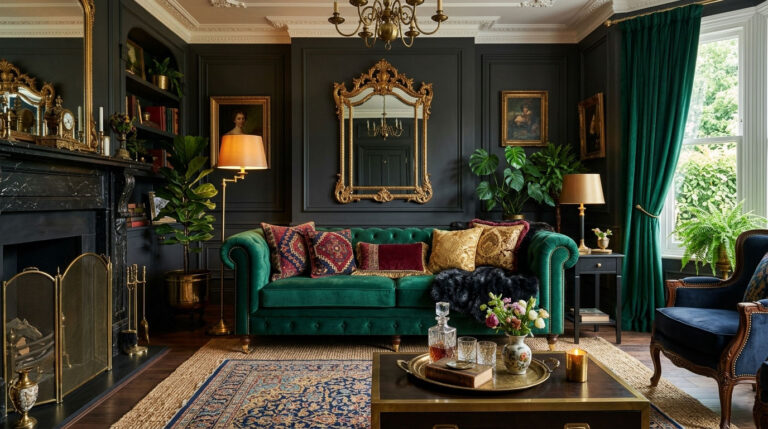
Best for: Traditional, classical, and period interiors. Maximalist rooms where decorative complexity is celebrated. French-inspired or country house aesthetics. Formal sitting rooms and studies.
Avoid with: Contemporary minimalist rooms where decorative detail is deliberately eliminated. Industrial or mid-century modern spaces where the period associations are a complete mismatch.
5. Cabriole Legs
What they look like: A distinctive S-curved leg — convex at the knee (the upper portion), tapering inward in the middle, then flaring back out at the foot, which typically terminates in a pad foot, claw-and-ball, or scroll. The silhouette is one of the most recognisable in furniture history.
Design tradition: The cabriole leg is one of the oldest and most historically significant leg styles in Western furniture. It originated in ancient Chinese and Greek furniture and entered European design in the late 17th century, becoming the defining feature of Queen Anne, Chippendale, and early Georgian furniture. It is inextricably associated with formal European furniture of the 18th century and all subsequent styles that draw on that tradition — including French Rococo, neoclassical revival, and much of what we now call “antique” or “period” style.
Materials: Almost always solid hardwood — walnut and mahogany for traditional period interpretations, painted wood (particularly white or gold) for French-influenced or Hollywood Regency applications.
Height range: Typically 5 to 8 inches (13 to 20 cm), though the visual drama of the cabriole comes from its profile rather than its height.
What it does for the room: A cabriole leg is a strong period statement. It signals that the sofa belongs to a specific tradition of formal European furniture design, and it aligns the piece unambiguously with interiors that reference that tradition. In the right room, a cabriole-legged sofa is exquisitely appropriate. In the wrong one, it looks like a museum piece that wandered in from a different century.
Best for: Georgian, Victorian, and period revival interiors. French-influenced rooms (particularly Rococo and Louis-period references). Formal drawing rooms and sitting rooms. Maximalist interiors that embrace historical decoration.
Avoid with: Contemporary, industrial, and mid-century modern rooms. Minimalist or Scandinavian-influenced spaces. Any interior where historical period detail is not part of the deliberate design language.
6. Bun Feet
What they look like: Short, rounded, disc-shaped feet — broader than they are tall, with a flattened spherical profile that gives the sofa a low, grounded stance. Sometimes called “ball feet” when the profile is more spherical.
Design tradition: Bun feet have appeared in European furniture since the 17th century and are associated with a range of traditional styles, from Dutch and English baroque through to Victorian country furniture. In contemporary terms, they appear frequently on upholstered pieces that want to suggest traditional craftsmanship without the full formality of turned or cabriole legs — farmhouse-style sofas, country-house chesterfields, and traditional-leaning contemporary pieces all use bun feet.
Materials: Hardwood — most commonly oak, walnut, or painted wood. Occasionally cast brass or other metals for a more decorative effect.
Height range: Typically 2 to 4 inches (5 to 10 cm) — bun feet sit the sofa close to the floor, creating a low, settled appearance.
What it does for the room: Bun feet give a sofa a grounded, solid, rooted quality. The sofa looks as though it belongs exactly where it is — stable, established, unhurried. They are a warmer and slightly less formal alternative to turned legs, appropriate in rooms that want traditional character without full period formality.
Best for: Traditional and country-influenced interiors. Chesterfield-style and button-backed sofas where the leg detail should complement without competing. Farmhouse, cottage, and Arts and Crafts-influenced rooms.
Avoid with: Contemporary and minimalist interiors where the traditional character of bun feet feels out of place. Rooms where visual lightness is a priority — bun feet sit the sofa very low, which reduces the floor-to-sofa gap that creates lightness.
7. Sled Base (No Legs)
What they look like: Rather than individual legs, a sled base presents two continuous curved or angled runners along the bottom of the sofa — a single structural element that contacts the floor along two parallel lines rather than at four individual points.
Design tradition: The sled base is a 20th-century innovation associated primarily with Scandinavian and modernist furniture design. It appears on iconic pieces by designers including Finn Juhl and various contemporary Scandinavian manufacturers. The sled base was conceived as a way to create a stable, generous base for a sofa without the visual punctuation of individual legs — the base reads as a single clean element rather than four separate points.
Materials: Most commonly solid hardwood — beech and oak are the most frequently used species — in a natural or stained finish. Occasionally metal.
Height range: The sled base typically sits the sofa at a similar height to mid-range legs — 4 to 6 inches (10 to 15 cm) from floor to seat base — but it does so across a wider contact area.
What it does for the room: A sled base gives a sofa strong visual definition and a sense of sculptural completeness. The sofa reads as a unified object — the base and the body are clearly part of the same composition rather than the body sitting on top of separately considered legs. In a design-conscious room, this unity can be very effective.
Best for: Mid-century modern and Scandinavian interiors where the sled base has its strongest design heritage. Contemporary design-conscious rooms where a sculptural furniture statement is wanted.
Avoid with: Traditional and period interiors where the modernist associations of the sled base feel wrong. Rooms where ease of cleaning underneath the sofa is a priority — the continuous base makes access difficult.
8. Platform Base (No Legs / Plinth)
What they look like: The sofa sits on a solid, continuous base — a plinth — that extends the full width and depth of the sofa with no gap between the sofa body and the floor. Alternatively, the sofa may have no visible base at all, sitting directly on the floor with just the thickness of the frame between upholstery and ground.
Design tradition: Platform and plinth bases are associated with contemporary and modernist interior design — particularly the kind of low-slung, architectural furniture that appears in high-end contemporary interiors, hospitality design, and the work of designers who prioritise form and monolithic simplicity over historical leg styles.
Materials: The plinth may be upholstered in the same fabric as the sofa (creating a fully unified form), or in a contrasting material — leather, wood veneer, or painted finish — as a deliberate design element.
Height range: Very low — typically just 2 to 4 inches (5 to 10 cm) above the floor, giving the sofa a dramatically horizontal, floor-hugging profile.
What it does for the room: A platform base makes the sofa look architectural and monolithic. It has a strong, deliberate presence — the sofa is emphatically a statement object rather than a light, floating piece. In the right contemporary interior, this reads as sophisticated and intentional. In a smaller room or a more casual space, it can feel heavy.
Best for: Large, contemporary, design-led interiors where the sofa is intended as an architectural statement. Open-plan living spaces with high ceilings. Hotels and hospitality environments.
Avoid with: Small rooms where the low, heavy form will dominate disproportionately. Traditional or period interiors. Rooms where cleaning underneath is necessary.
Sofa Leg Materials: A Closer Look
The material a sofa leg is made from contributes as much to the overall effect as its shape. The main options:
Solid Hardwood
The most common material for sofa legs across most design traditions. Hardwood legs are strong, warm in appearance, available in a wide range of species and finishes, and can be shaped into any profile from the simplest block to the most intricate cabriole. The choice of species affects both the visual character and the durability of the leg.
Walnut — rich, dark brown with a pronounced grain. The signature material of American mid-century modern furniture. Pairs beautifully with warm upholstery tones and makes a confident statement in its own right.
Oak — lighter and more varied in grain than walnut. The dominant material in Scandinavian and contemporary British furniture. More versatile than walnut across different colour palettes and works particularly well in natural or lightly oiled finishes.
Beech — very light in colour, fine-grained, and often used in painted applications. A common material for traditional and country-style legs. Less distinctive than walnut or oak in a natural finish but excellent when painted.
Teak — the classic material of outdoor and Danish teak furniture of the 1950s and 1960s. Rich golden-brown colour that darkens with age and develops a distinctive patina. Less common in new sofas but still found in quality mid-century reproductions.
Mahogany and Cherry — darker, richer woods associated with traditional period furniture. Appropriate for turned and cabriole leg styles in formal interiors.
Painted Wood
Painted legs — most commonly in white, black, cream, or grey — allow the leg’s form to be appreciated without the visual complexity of natural wood grain. Painted block legs in white or off-white are a staple of contemporary Scandinavian design. Painted turned legs in white or cream feature in French-provincial and country-house aesthetics.
Metal
Metal legs range from the ultra-slender hairpin to the substantial block profile of a welded steel leg. The finish matters enormously: powder-coated black is industrial and contemporary; brushed brass is warmer and more decorative; polished chrome is clinical and modernist; raw steel is uncompromisingly industrial.
Metal legs are more dimensionally stable than wood (no warping with humidity changes) and extremely strong but can feel cold in a room that relies on warmth and texture for its atmosphere.
Choosing the Right Leg Style for Your Room
With so many options available, here is a practical framework for making the decision:
Match the Leg to the Interior Style
Start with the design aesthetic of your room. If you have already established a clear direction — mid-century modern, Scandi minimalist, traditional, industrial, maximalist — your leg choice is largely made for you by the associations those styles carry:
- Mid-century modern: Tapered legs in walnut or oak; hairpin legs in black steel
- Scandinavian minimalism: Block legs in natural oak; sled bases
- Traditional and period: Turned legs, cabriole legs, bun feet in hardwood
- Industrial: Hairpin legs or block metal legs in raw or powder-coated steel
- Contemporary neutral: Block legs in oak or painted white; low platform bases
- Maximalist/eclectic: Turned legs, cabriole legs, or any distinctive form used with confidence
Consider the Room’s Size
In small rooms, favour legs that create visual lightness — taller, slimmer legs (tapered, hairpin) over low, solid ones (bun feet, platform base). The floor-to-sofa gap is a genuine spatial tool in compact rooms.
In large rooms, you have more freedom. Platform bases and bun feet that might feel heavy in a small room are entirely appropriate in a generous space where the sofa needs visual weight to anchor the area.
Think About Colour and Contrast
The contrast between the leg material and the sofa upholstery is part of the visual composition. Dark walnut legs against a light cream sofa create a classic, deliberate contrast. Oak legs against a natural linen upholstery create a tone-on-tone warmth. Black metal legs against a blush velvet create a contemporary edge. These relationships are worth thinking through before committing.
Can You Change the Legs?
One underused piece of knowledge: many sofa legs are interchangeable. Most modern sofas attach their legs with a standard threaded insert — typically M8 or M10 metric threads — which means legs from one sofa can often be swapped for legs of a different style from a specialist supplier or from another piece of furniture with the same fitting.
If you love a sofa’s body but are unsatisfied with its legs, this is worth investigating before ruling the piece out. Specialist sofa leg suppliers offer legs in dozens of styles, materials, and heights, often at surprisingly modest cost. Changing legs is one of the simplest ways to customise a sofa’s aesthetic character or update a piece that has started to look dated.
Quick Reference: Sofa Leg Styles at a Glance
| Leg Style | Design Tradition | Visual Effect | Best Room Style |
|---|---|---|---|
| Tapered | Mid-century modern | Light, elegant, classic | Mid-century, Scandi, contemporary |
| Hairpin | Industrial / mid-century | Very light, minimal | Industrial, urban, eclectic |
| Block / Square | Contemporary / Scandi | Clean, simple, grounded | Minimalist, contemporary |
| Turned | Traditional European | Decorative, period-specific | Traditional, country, formal |
| Cabriole | Georgian / French period | Formal, historic, ornate | Period, maximalist, French-influenced |
| Bun Feet | Country / traditional | Solid, warm, settled | Country, farmhouse, Chesterfield |
| Sled Base | Scandinavian / modernist | Sculptural, unified | Mid-century, Scandi, design-led |
| Platform / Plinth | Contemporary / architectural | Monolithic, heavy, statement | Large contemporary, hospitality |
Final Thoughts
Sofa legs are a small detail with a disproportionately large impact. They shape how heavy or light a sofa feels in a room, signal which design tradition it belongs to, affect how easy the room is to clean, and contribute to the overall compositional harmony of the furniture arrangement. They deserve more attention than most buyers give them.
The good news is that once you understand the language of leg styles — what each one means, where it comes from, and what it communicates — making the right choice becomes intuitive. You start to see legs on sofas in shops, in magazines, and in photographs and immediately understand what they are doing for the piece: why those tapered walnut legs make that sofa look so mid-century, why those hairpin legs make this one feel so light, why those turned legs make that one feel so unambiguously traditional.
That understanding is the beginning of buying and arranging furniture with genuine confidence — choosing not just what looks nice in isolation, but what works together, what belongs in the room, and what makes the whole space feel exactly as it should.

Sarah Rose writes for EcoGardeningHub, sharing eco home decor ideas, sustainable styling tips, and simple ways to create beautiful, nature-inspired living spaces with a mindful, environmentally friendly approach.