Sofa Color Guide: How to Pick the Right Color for Your Living Room
The color of your sofa will shape the entire mood of your living room. It is the largest upholstered surface in most homes — the piece that commands more visual attention than any other. Get the color right and it anchors the room with confidence. Get it wrong and every other design decision you make will be working against it.
And yet, choosing a sofa color is one of the most anxiety-inducing parts of the furniture buying process. It is a long-term commitment, it is difficult to reverse, and the consequences of a poor choice are visible every single day. No wonder most people default to safe neutrals and spend years wondering whether something bolder might have been better.
This guide is designed to take the uncertainty out of the process. It covers the principles of color selection, walks through every major sofa color family and what works with each one, and gives you a clear framework for making a decision you will be genuinely happy with — not just relieved about.
Why Sofa Color Is the Most Important Color Decision in the Room
Most interior design advice starts with the walls. Paint the walls first, the conventional wisdom goes, then build everything else around them. But for many living rooms, the sofa is actually the better starting point.
Here is why. Paint is relatively easy and inexpensive to change. A sofa is not. A sofa is a significant financial investment that will be in your home for many years. It is also the largest single item of color in the room — covering more visual surface area than any cushion, curtain, rug, or accessory.
If you choose a wall color you love but a sofa color that conflicts with it, changing the walls is a weekend project. Changing the sofa is a significant expense. For this reason, experienced interior designers often recommend choosing the sofa color first — or at least simultaneously — and letting the walls, rug, and accessories respond to it.
At minimum, the sofa color should be a primary consideration in the room’s overall color planning, not an afterthought.
The Three Sofa Color Strategies
Before getting into specific colors, it helps to understand the three fundamental strategies for using sofa color in a room. Every successful living room color scheme is built on one of these approaches.
Strategy 1: The Neutral Foundation
A neutral sofa — in beige, cream, oatmeal, grey, taupe, or off-white — acts as the foundation of the room. It is not the focus of the color story; it is the canvas that allows other elements to take center stage.
This is the most versatile approach and the one with the longest design life. Neutral sofas are easier to restyle around as your taste evolves, work with almost any color palette you choose for walls, rugs, and accessories, and tend to date less quickly than bolder choices.
The risk of a neutral sofa is that it can become forgettable — a perfectly inoffensive backdrop that adds no character or warmth to the room. The solution is to invest in texture and fabric quality. A beautifully textured linen sofa in warm oatmeal, or a velvet sofa in a rich warm grey, has genuine presence without requiring a bold color to command attention.
Best for: People who like to change their decor frequently, rooms with strong existing color in the walls or flooring, anyone who wants maximum styling flexibility.
Strategy 2: The Statement Color
A statement sofa — in forest green, deep teal, terracotta, mustard yellow, blush pink, navy, or any other deliberately chosen color — becomes the hero of the room. Everything else is built around it.
This is a more committed approach, and it requires more confidence and planning. But done well, a statement sofa transforms a living room from pleasant to genuinely memorable. It gives the room a clear point of view and a personality that a neutral sofa alone cannot provide.
The key to making a statement sofa work is restraint everywhere else. The sofa is the statement — the walls, rug, and larger accessories should support and complement it rather than compete with it. Pair a jewel-toned sofa with walls in a warm neutral, and let the sofa do the talking.
Best for: People with a clear aesthetic vision, rooms with neutral walls and floors, anyone who wants the living room to have genuine character and personality.
Strategy 3: The Tonal Approach
A tonal color scheme uses variations of the same color family throughout the room — different shades, tones, and depths of a single hue. A tonal approach with the sofa means choosing a sofa color that is part of the same color family as the walls, rug, or other key elements, rather than contrasting against them.
For example: warm terracotta walls, a rust-toned velvet sofa, amber cushions, and a jute rug. Or: pale sage walls, a deeper forest green sofa, olive linen curtains, and a moss green rug. Each element is a different shade of the same color family, creating a cohesive, immersive effect.
Tonal rooms feel sophisticated and intentional. They are harder to execute than a neutral or statement approach because they require careful calibration of tone and depth, but the results are among the most beautiful in interior design.
Best for: Experienced decorators, rooms where a strong atmospheric identity is desired, people with a clear color preference they want to lean into fully.
Understanding How Room Conditions Affect Sofa Color
Before choosing a specific color, assess the conditions of your room. The same sofa color can look entirely different depending on these factors.
Natural light
Natural light is the single most important factor in how sofa color reads in a room.
North-facing rooms receive indirect, cool light throughout the day. This light tends to flatten warm tones and intensify cool ones. Warm sofa colors — terracotta, camel, mustard, rust — work particularly well in north-facing rooms because they counterbalance the coolness of the light. Very cool sofa colors — icy blues, stark greys — can feel stark and cold in a north-facing room.
South-facing rooms receive warm, direct light for most of the day. Almost any sofa color works well in a south-facing room because the warmth of the light flatters both warm and cool tones. Bold colors tend to look their best in south-facing rooms.
East-facing rooms receive warm light in the morning and cooler light in the afternoon. Sofa colors that look beautiful in morning light may shift significantly by the afternoon.
West-facing rooms receive cool light in the morning and warm golden light in the late afternoon and evening. Sofas in west-facing rooms often look completely different at different times of day — a cool grey sofa that looks calm and refined in the morning may glow warmly in the evening sun.
Always look at fabric samples in the actual room, at different times of day, before making a final decision. A sample viewed in a brightly lit showroom or in a south-facing room will not look the same in a north-facing living room.
Room size
Darker sofa colors add visual weight and make a room feel more intimate and enclosed. In a small room, a very dark sofa can tip from cosy to oppressive. In a large room, that same dark sofa may feel perfectly anchored and grounded.
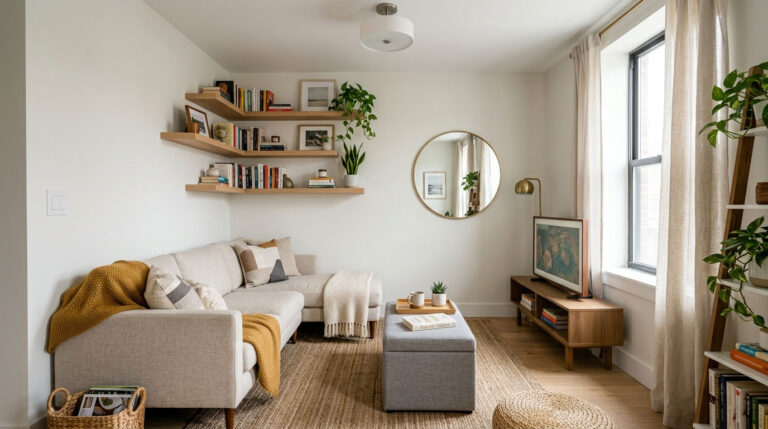
Lighter sofa colors — cream, pale grey, blush, powder blue — feel airier and less imposing. They work well in smaller rooms where preserving a sense of openness is a priority.
Existing colors in the room
Look at what you are working with: the wall color, the flooring tone, the curtains, any built-in cabinetry or shelving. Your sofa color will either need to complement these existing elements or intentionally contrast them.
Warm floors — honey wood, terracotta tile, warm stone — pair naturally with warm sofa tones. Cool floors — grey stone, pale bleached wood, concrete — pair more naturally with cool or neutral sofa colors. Conflicts between floor tone and sofa tone can make a room feel visually unresolved.
Sofa Color by Color Family: What Works and What to Watch For
Neutral Sofas
Cream and Off-White
A cream or off-white sofa is the ultimate neutral — bright, clean, and versatile. It works in almost any room and reflects light beautifully, making spaces feel larger and more open.
The obvious concern is practicality. A white or cream sofa in a household with children, pets, or messy daily habits requires either very careful maintenance or a performance fabric specifically engineered for stain resistance. Choose a cream sofa in a high-rub-count performance weave, or look for removable, machine-washable covers.
Works with: Almost any wall color; pairs particularly well with warm woods, natural materials, and greenery. Avoid pairing with very cool, stark walls — the combination can feel clinical rather than inviting.
Best rooms: Light, airy living rooms; Scandinavian and minimalist interiors; beach and coastal-inspired spaces.
Beige and Oatmeal
Warm, earthy, and deeply versatile, beige and oatmeal sofas are among the most popular choices for good reason. They bring warmth without imposing color, work with a wide range of wall tones, and age gracefully.
The risk is blandness. A beige sofa in a beige room with beige walls and beige flooring becomes monotonous quickly. Introduce contrast through texture — a boucle sofa against smooth plaster walls, or a woven linen sofa with a chunky wool rug — and through accent colors in cushions, art, and accessories.
Works with: Warm terracotta, burnt orange, sage green, rust, warm navy. Avoid pairing with cool greys — the warm and cool tones will fight each other.
Best rooms: Traditional, bohemian, warm contemporary, and country-inspired interiors.
Grey
Grey is the great chameleon of sofa colors — endlessly versatile, available in a vast range of tones from pale silver to deep charcoal, and comfortable in almost any interior style.
The key distinction is warm grey versus cool grey. Warm greys have underlying brown or beige undertones and work beautifully with warm wood tones, terracotta, and earthy palettes. Cool greys have underlying blue or green undertones and pair more naturally with white walls, chrome accents, and contemporary spaces.
Always establish whether a grey sofa leans warm or cool before buying, and ensure it is consistent with the undertones of your walls and flooring.
Works with: Almost anything, but pay attention to undertones. Warm greys with warm tones; cool greys with cool tones.
Best rooms: Contemporary, Scandinavian, industrial, and transitional interiors.
Taupe and Greige
Taupe (a warm grey-brown) and greige (a grey-beige hybrid) are arguably the most forgiving sofa colors available. They carry both warm and cool undertones, which means they sit comfortably alongside a wider range of colors than a more definitive neutral.
A taupe or greige sofa is the ideal choice for rooms where you are not entirely certain of the color direction — it will not conflict with most palettes and provides a solid, sophisticated foundation.
Works with: Almost any color palette; particularly successful with soft blues, warm whites, dusty pinks, and sage greens.
Best rooms: Transitional, classic, and contemporary interiors; any room where maximum flexibility is desired.
Green Sofas
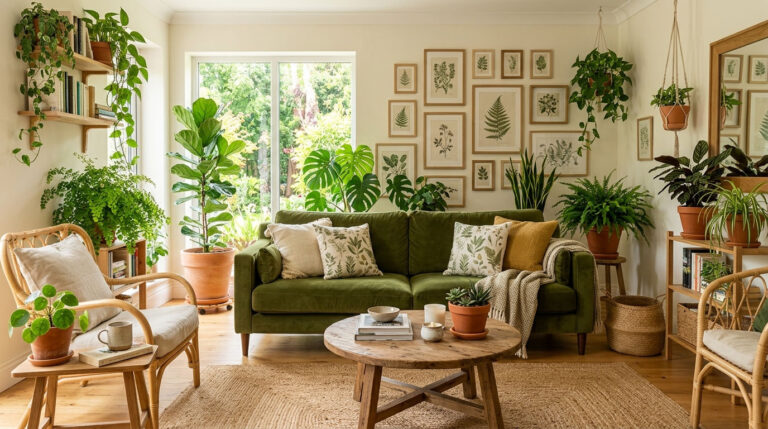
Green is one of the most versatile statement sofa colors available, and its recent surge in popularity is entirely justified. It connects the interior to the natural world, works beautifully across a wide range of interior styles, and is available in enough tones to suit virtually any room.
Sage Green
Sage is a soft, muted, dusty green with grey undertones. It reads as almost neutral in some lights, making it one of the most approachable green options for first-time statement sofa buyers.
A sage sofa works in rooms with warm cream or terracotta walls and introduces a soft organic quality without demanding attention. It pairs beautifully with natural materials — rattan, jute, linen, light oak — and with warm earthy accent tones.
Works with: Warm whites, terracotta, blush, warm beige, rust, and burnt orange.
Forest and Bottle Green
Deeper greens — forest, bottle, hunter, emerald — make a bolder statement while remaining grounded and sophisticated. They work particularly well in rooms with warm neutral walls and warm wood or brass accents, where the depth of the green is complemented by the warmth of the surrounding palette.
A deep green sofa in a room with white walls can feel striking but potentially cold. Warm the combination with amber, brass, and earthy tones in the accessories and textiles.
Works with: Warm whites and creams, brass and gold accents, terracotta, burnt orange, warm wood tones.
Best rooms: Traditional, maximalist, country, and biophilic design interiors.
Blue Sofas
Blue is the most popular color in interior design globally, and blue sofas reflect this — they are available in an extraordinary range of tones, from barely-there powder blue to deep midnight navy.
Navy Blue
Navy is the most classic and enduring blue sofa color. It is sophisticated, grounded, and deeply versatile. Navy works in traditional, contemporary, coastal, and maximalist interiors with equal ease.
Navy pairs naturally with warm whites and creams, brass and gold accents, and warm wood tones. It is one of the few bold sofa colors that holds its own against strong wall colors — a navy sofa can work in a room with patterned wallpaper or rich painted walls in a way that many other bold colors cannot.
Works with: White, cream, warm wood, brass, terracotta, blush pink, sage green.
Petrol and Teal
Petrol (a deep blue-green) and teal sit between blue and green on the spectrum and carry qualities of both. They feel sophisticated and slightly unexpected — less common than navy but equally beautiful.
Teal and petrol sofas work particularly well in rooms with warm neutral walls, where the cool depth of the sofa color creates a striking but balanced contrast. They pair naturally with brass and copper accents, warm wood tones, and earthy textiles.
Works with: Warm white, warm grey, brass, copper, warm wood, terracotta.
Pale and Powder Blue
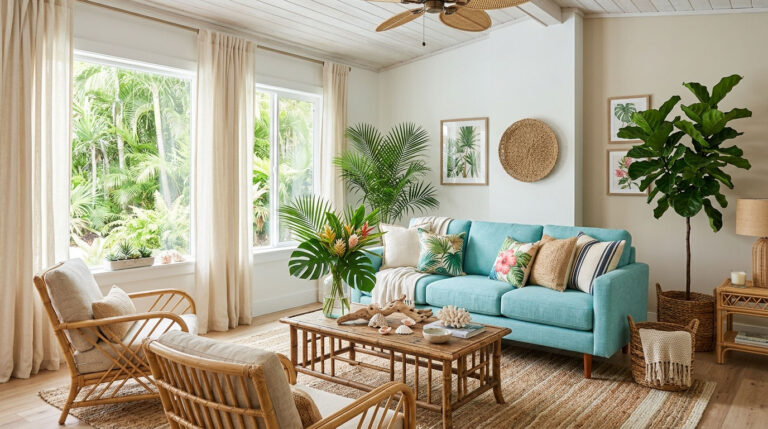
Pale blue sofas have a soft, airy quality that suits beach-inspired, Scandinavian, and soft contemporary interiors. They feel gentle rather than bold and work well in smaller rooms where a neutral is too bland but a deep color too imposing.
Works with: White, warm white, sand, cream, soft grey, natural textures.
Yellow and Mustard Sofas
Yellow sofas are a statement choice that requires careful handling but can be genuinely transformative when done well. The key is choosing the right tone of yellow — and understanding that mustard and ochre are far more liveable than bright or acid yellows.
Mustard and ochre — deep, warm, earthy yellows — read as almost neutral in many rooms. They work beautifully with warm terracotta walls, deep green accents, and natural materials. A mustard velvet sofa in a room with warm earthy tones is one of the most inviting and sophisticated color combinations in interior design.
Bright yellow sofas are genuinely bold and work best in rooms where the rest of the palette is deliberately restrained — white walls, light wood floors, very simple accessories. Even then, they require confidence to pull off successfully.
Works with: Terracotta, deep green, burnt orange, warm brown, warm white.
Avoid: Pairing with purple or strong cool tones — the contrast tends to feel jarring rather than dynamic.
Pink Sofas
Pink sofas span an enormous range — from barely-there blush to rich, deep dusky rose — and each tone requires a different approach.
Blush pink is one of the most popular sofa colors of recent years and for good reason. It is warm, soft, and surprisingly easy to live with. Blush works naturally with warm white walls, warm wood floors, and earthy accessories. It does not feel like a statement in the way that brighter pinks do — it reads almost as a warm neutral.
Dusky rose and muted pink are deeper and richer than blush but still in the warm, muted territory. They work well in rooms with warm earthy palettes and add genuine depth and warmth without the intensity of a truly bold color.
Bright or fuchsia pink sofas are a confident statement choice best suited to maximalist, eclectic, or design-forward interiors where bold color is a deliberate and fully committed approach.
Works with: Warm white, blush pairing with sage green and warm wood is particularly successful. Avoid pairing pink with orange tones — the warm undertones can clash.
Terracotta, Rust, and Orange Sofas
Terracotta and rust sofas have become one of the defining color stories of recent interior design. They are warm, earthy, grounded, and connect beautifully to a wide range of natural materials and organic textures.
A terracotta or rust sofa works best in rooms with warm cream or white walls, warm wood flooring, and natural material accents — jute, rattan, linen, leather. It pairs beautifully with sage green, deep olive, warm brass, and earthy neutrals.
Be cautious about rooms that already have significant warm orange or red tones — terracotta walls and a terracotta sofa can feel overwhelming. In those rooms, introduce the terracotta more subtly through cushions and accessories rather than committing to it in the sofa.
Works with: Warm white, sage green, deep olive, warm brass, caramel leather, jute and rattan.
Best rooms: Bohemian, organic modern, Moroccan-inspired, and earthy contemporary interiors.
Brown Sofas
Brown sofas — in tan, caramel, chocolate, cognac, and dark espresso — have a timeless, grounded quality that suits a wide range of interiors. Leather brown sofas in particular have a classic character that transcends trends.
Caramel and tan are the most versatile brown tones for sofas. They work with warm whites, sage greens, deep blues, and earthy terracottas. A caramel leather sofa is one of the most universally flattering choices in interior design — warm, rich, and endlessly adaptable.
Chocolate and dark brown are more imposing and work best in larger rooms with good natural light. In small or dark rooms, a very dark brown sofa can feel heavy and oppressive.
Works with: Cream, warm white, sage green, navy, terracotta, warm mustard.
Dark Sofas: Charcoal, Black, and Midnight Navy
Dark sofas — in charcoal, near-black, and deep navy — create a dramatic, grounded presence in a room. They are increasingly popular in contemporary and maximalist interiors, where the depth of the sofa color creates an anchor for the rest of the palette.
Dark sofas work best in rooms with adequate natural light or strong artificial lighting, where the darkness of the sofa is balanced by brightness elsewhere. In small, dark rooms, a very dark sofa can make the space feel cave-like.
Pair dark sofas with lighter walls — warm white, off-white, or pale grey — and warm accent tones in brass, gold, wood, and earthy textiles. A dark sofa against dark walls can be a stunning, atmospheric choice in a large room but requires careful lighting to prevent the space from feeling oppressive.
Works with: Warm whites, brass and gold, warm wood, terracotta, camel, blush pink.
Best rooms: Contemporary, industrial, maximalist, and design-forward interiors; large rooms with good natural or artificial light.
Sofa Color and Room Color: Quick Pairing Guide
| Sofa Color | Wall Colors That Work | Colors to Avoid |
|---|---|---|
| Cream / Off-white | Any warm neutral, soft grey, sage | Stark cool white walls |
| Beige / Oatmeal | Warm white, terracotta, sage, warm grey | Cool grey walls |
| Grey (warm) | Warm white, blush, sage, warm wood tones | Very cool blues or whites |
| Grey (cool) | White, pale blue, contemporary palettes | Warm earthy or orange tones |
| Taupe / Greige | Almost anything | Very stark, high-contrast combinations |
| Sage green | Warm white, terracotta, blush, warm cream | Bright white, cool grey |
| Forest / Bottle green | Warm white, cream, brass accents | Cool white, stark grey |
| Navy blue | White, cream, warm wood, brass | Very dark wall colors |
| Teal / Petrol | Warm grey, warm white, brass accents | Orange or red walls |
| Mustard / Ochre | Terracotta, warm white, deep green | Purple, cool grey walls |
| Blush pink | Warm white, sage green, warm wood | Orange-based palettes |
| Terracotta / Rust | Warm cream, sage, deep olive, jute | Red-toned or very warm walls |
| Caramel / Tan | Cream, sage, navy, warm white | Cool grey, stark white |
| Charcoal / Black | Warm white, off-white, brass, warm wood | Very dark wall colors in small rooms |
Practical Considerations Before Choosing a Color
Test with large samples
Never choose a sofa color from a small swatch or a screen image. Request the largest sample the retailer offers — ideally 30 cm square or larger — and live with it in the room for at least a week. Observe it in morning light, afternoon light, evening artificial light, and on overcast days. A color that looked perfect in a showroom or on a website may look completely different in your specific room under your specific lighting conditions.
Consider fade resistance
Sofas in rooms with strong direct sunlight are vulnerable to fading, particularly in more saturated colors. Darker and more richly pigmented fabrics are more susceptible to visible fading than lighter neutrals. If your living room receives strong direct sun, factor fade resistance into your fabric and color choice — look for solution-dyed fabrics or fabrics treated with UV-protective finishes.
Think about long-term livability
Ask yourself honestly: will you still love this color in five years? Bold and trend-driven colors are exciting at the point of purchase but can feel dated more quickly than classic neutrals. If you are naturally drawn to bold color but uncertain about longevity, consider introducing that color through cushions, rugs, and accessories — elements that are relatively inexpensive to change — while keeping the sofa itself in a more enduring neutral.
Match the color to your actual lifestyle
A pure white sofa looks extraordinary on a mood board and in a showroom. In a home with three children, two dogs, and a busy daily life, it is a source of constant stress. Be ruthlessly honest about how you actually live and choose a sofa color that will remain manageable and beautiful within that reality. If you love light colors but have a busy household, choose a performance fabric version rather than compromising on practicality.
Final Thoughts
Choosing the right sofa color is not about following rules rigidly or copying a look you have seen online. It is about understanding your room’s conditions, being honest about your lifestyle, and making a color choice that feels genuinely right for both.
Start with your room’s light, size, and existing palette. Decide which of the three color strategies — neutral foundation, statement color, or tonal approach — suits your aesthetic and temperament. Test generously with real samples in the real space. And above all, choose a color you genuinely love rather than one you think you should love.
A sofa color chosen with confidence and genuine personal resonance will always look better than one chosen out of caution or convention. Your living room should reflect who you are — and the right sofa color, chosen well, is one of the most powerful ways to make that happen.

Sarah Rose writes for EcoGardeningHub, sharing eco home decor ideas, sustainable styling tips, and simple ways to create beautiful, nature-inspired living spaces with a mindful, environmentally friendly approach.