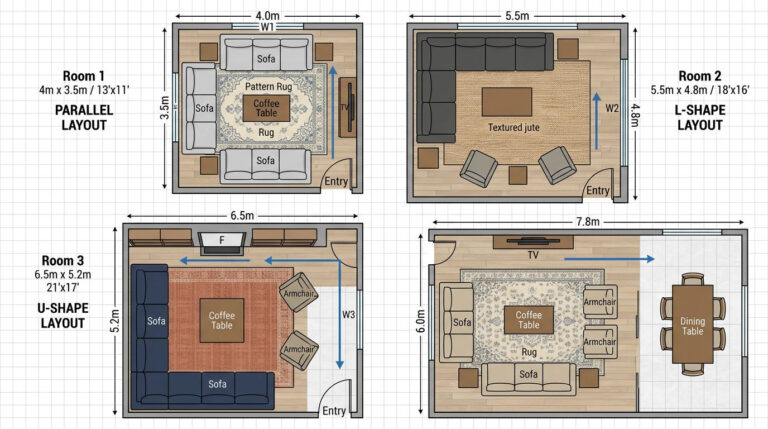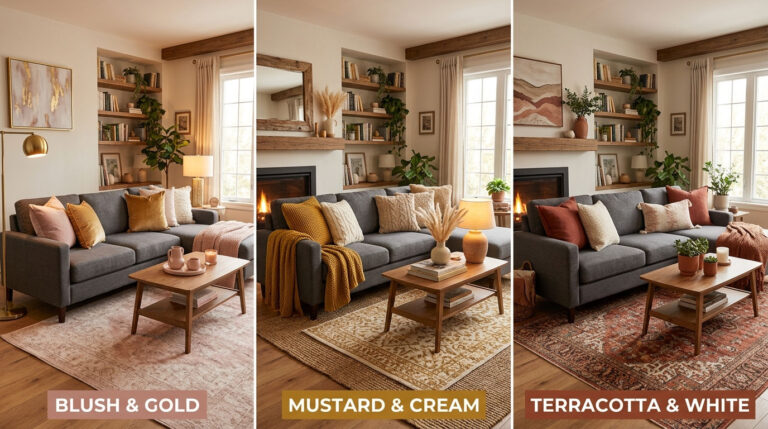
18 Small Living Room Sofa and Chair Layout Ideas for Better Flow
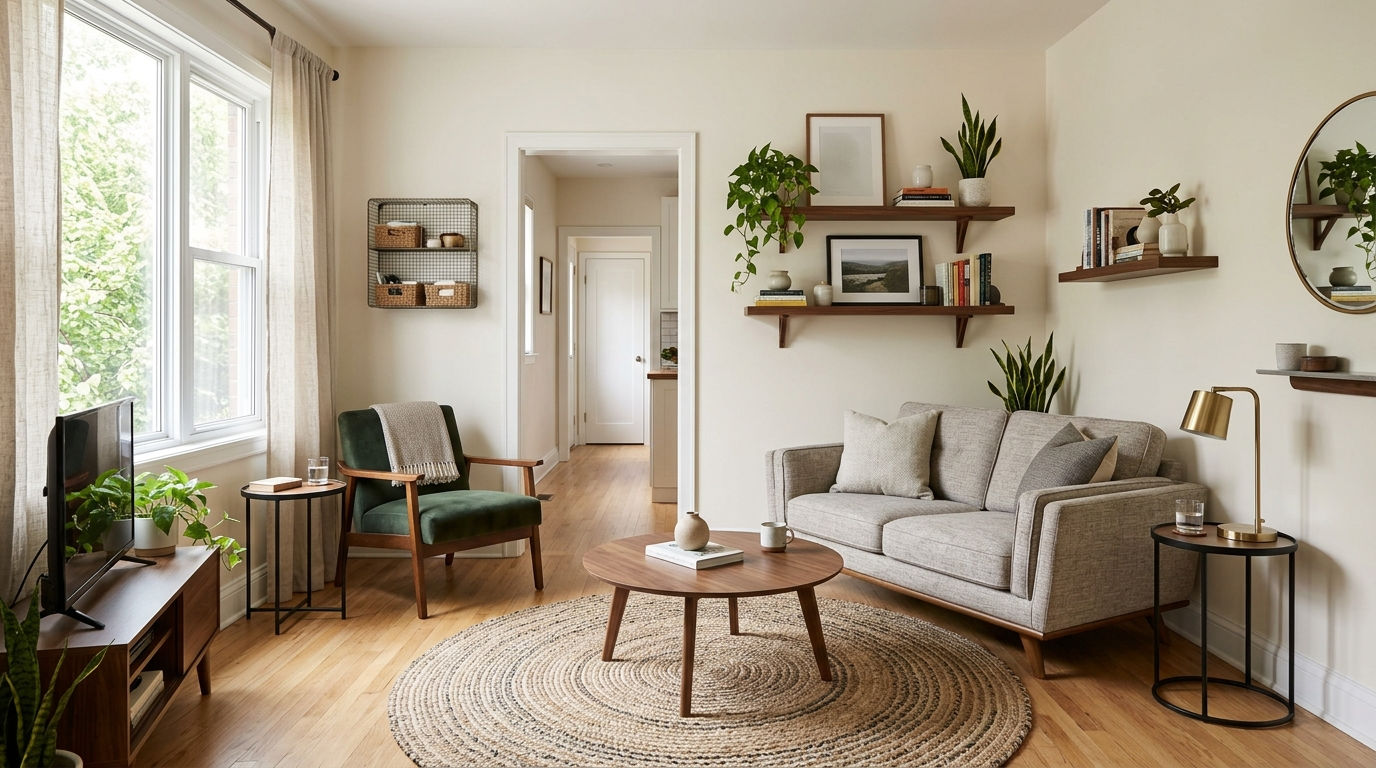
You know that frustrating moment when your living room looks good but somehow feels awkward to move around in? Yeah, I’ve been there too—bumping into chairs like it’s an obstacle course 🙃. The truth is, arranging a small living room sofa and chair layout isn’t about cramming furniture in—it’s about creating flow, balance, and breathing space.
I’ve tested way too many layouts in tight spaces (some worked, some… not so much), and I’ve learned one thing: smart placement beats expensive furniture every time. You don’t need a bigger room—you need a better plan.
So if you’ve got a compact living room and you’re trying to make a sofa and chairs actually work together, you’re in the right place. Let’s break down 18 practical, stylish ideas that make your space feel bigger, smoother, and honestly… way more livable.
1. Floating Sofa Magic

Ever tried pulling your sofa away from the wall? Sounds risky, right? But trust me, this trick changes everything.
When you float your sofa in a small living room, you instantly create visual depth and better traffic flow. Instead of everything hugging the walls, the room starts to feel intentional and open.
Why it works
You define zones without adding walls. The space suddenly feels like it has structure instead of chaos.
- Creates a natural walkway behind the sofa
- Improves conversation layout with chairs facing it
- Makes the room feel larger than it is
I once hesitated to try this because I thought I’d “lose space.” Spoiler: I gained more usable space instead. Ever noticed how empty wall space can actually feel awkward?
Pro tip
Add a slim console table behind the sofa for:
- Lighting
- Decor
- Extra storage
This layout works beautifully for small apartment living rooms where flow matters more than furniture count.
2. Corner Comfort Setup

Corners often become wasted space… or worse, clutter zones. But if you play it right, they can become your best asset.
Tuck your sofa neatly into a corner and angle two chairs toward it. Boom—you’ve got a cozy, functional seating arrangement that feels natural and inviting.
Why it works
You maximize every inch while keeping the center open.
- Uses awkward corners efficiently
- Keeps the main floor area uncluttered
- Creates a cozy conversation zone
IMO, this is one of the easiest layouts to pull off without overthinking. You don’t need perfect symmetry—just smart angles.
Styling tips
- Use a round coffee table to soften the layout
- Add a floor lamp in the corner for warmth
- Keep chairs lightweight for easy movement
Ever wondered why some rooms feel instantly cozy? It’s usually because of layouts like this—tight, intentional, and human-friendly.
3. Symmetry That Flows

If your brain secretly loves order (mine definitely does), this layout will feel so satisfying.
Place your sofa in the center and position two identical chairs directly opposite. This creates a clean, balanced look that feels polished without trying too hard.
Why it works
Symmetry naturally feels calm and organized.
- Creates visual harmony instantly
- Makes small spaces feel structured
- Works great for formal or modern interiors
That said, don’t make it too stiff. Nobody wants a living room that feels like a waiting area at a dentist’s office.
How to keep it relaxed
- Add textured cushions
- Use a slightly imperfect rug pattern
- Mix materials like wood and fabric
This setup shines in modern small living rooms where clean lines matter. And yes, it also makes your space look Instagram-ready without much effort.
4. Window-Facing Lounge

Let’s be honest—natural light is basically free luxury. So why not design your layout around it?
Position your sofa facing a window and place chairs on either side. This turns your seating area into a bright, relaxing zone that feels open and refreshing.
Why it works
Light expands space visually. It makes everything feel bigger and better.
- Maximizes natural light exposure
- Creates a calm, airy vibe
- Draws attention outward instead of inward
I tried this setup once in a tiny room, and suddenly it felt like I upgraded my apartment without spending a dime. Wild, right?
Make it even better
- Use sheer curtains to soften light
- Add plants near the window
- Keep furniture in light tones
Ever noticed how you naturally gravitate toward sunny spots? Exactly. This layout taps into that instinct.
5. Open Path Layout

If you constantly find yourself squeezing between furniture… yeah, your layout needs help.
The open path layout focuses on one simple goal: clear movement flow. You arrange your sofa and chairs in a way that leaves a visible walking path.
Why it works
You eliminate friction—literally.
- Prevents cramped, blocked areas
- Improves functionality instantly
- Makes small rooms feel breathable
This layout saved me when I had guests over. No one wants to do furniture gymnastics just to sit down.
Key tips
- Keep at least 2–3 feet of walking space
- Avoid bulky chairs
- Use slim-profile furniture
FYI, this setup works especially well in small rectangular living rooms where traffic flow can get messy fast.
6. L Shape Flow Trick

This one feels effortless—and that’s exactly why it works.
Arrange your sofa and one chair in an L shape. Add a second chair nearby if space allows. This creates a relaxed, natural seating area without forcing symmetry.
Why it works
It mimics how people naturally gather.
- Encourages conversation without feeling rigid
- Keeps one side open for movement
- Fits perfectly in compact spaces
I use this layout a lot because it doesn’t feel “designed.” It just works.
Styling ideas
- Add a corner side table
- Use layered lighting like floor lamps
- Mix textures for depth
Ever walked into a room and instantly felt comfortable? That’s the vibe this layout creates.
7. Minimalist Balance
Sometimes, less really is more. (Yeah, I know—sounds cliché, but it’s true.)
Instead of forcing multiple chairs into a tiny room, use one sofa and one accent chair. Keep everything clean and intentional.
Why it works
You reduce visual clutter, which makes the room feel bigger.
- Creates breathing space
- Highlights key furniture pieces
- Perfect for modern aesthetics
I tried overfurnishing once… never again. The room felt suffocating.
Keep it sharp
- Stick to a neutral color palette
- Use simple decor pieces
- Focus on quality over quantity
This layout works best for small modern living rooms where simplicity wins.
8. Dual Chair Focus

Want something a bit different? Flip the script.
Make your chairs the stars and let the sofa play a supporting role. Place two stylish chairs opposite a smaller sofa.
Why it works
It creates visual interest and breaks the usual layout pattern.
- Adds personality to the room
- Works great for entertaining
- Balances seating options
I love this setup when I want the space to feel a bit more “designed” without going overboard.
Design tips
- Choose bold accent chairs
- Keep the sofa neutral
- Add artwork to tie everything together
Ever get bored of the same old layout? Yeah, this fixes that instantly.
9. Cozy Conversation Nook

If your goal is comfort over everything else, this layout wins.
Arrange your sofa and chairs in a tight circle or semi-circle around a coffee table. This creates an intimate, inviting space.
Why it works
It brings people closer—literally.
- Perfect for conversations
- Creates a warm, social vibe
- Feels intentional and cozy
I’ve used this layout during small gatherings, and people naturally lean in and chat more. No awkward distance.
Make it extra cozy
- Use soft lighting like table lamps
- Add plush cushions and throws
- Choose warm tones
Ever noticed how some spaces just make you want to stay longer? This is one of them.
10. Wall Hugging Layout

Sometimes you don’t need to reinvent the wheel—you just need to use your walls smarter.
Push your sofa against the wall and angle your chairs inward. This creates a clean, open center while still keeping everything connected.
Why it works
You maximize floor space without sacrificing seating.
- Opens up the middle of the room
- Keeps traffic flow smooth and simple
- Works great for narrow living rooms
I used to think wall-hugging layouts felt boring. Turns out, they just need the right styling to shine.
Make it better
- Add floating shelves above the sofa
- Use a statement rug to anchor the space
- Keep chairs slightly angled for better interaction
Ever walked into a room and instantly knew where to go? That’s what this layout does—zero confusion, just flow.
11. Diagonal Flow Design

Okay, this one feels a little rebellious—but in a good way.
Instead of lining everything up with the walls, place your sofa at a slight angle. Then position chairs to complement that diagonal flow.
Why it works
It breaks visual monotony and adds movement.
- Creates a dynamic, unique layout
- Makes small spaces feel less boxy
- Draws attention to key areas
I tried this once out of pure curiosity… and ended up loving it. It feels unexpected without being chaotic.
Tips to pull it off
- Keep the angle subtle—not extreme
- Use a patterned rug to ground the layout
- Avoid overcrowding
Ever feel like your room looks too “grid-like”? This setup fixes that instantly.
12. Light and Airy Setup

If your room feels cramped, this layout gives it a breath of fresh air—literally.
Use slim furniture, soft colors, and space your sofa and chairs lightly apart. Let the room breathe.
Why it works
Visual lightness makes a space feel bigger.
- Reduces visual clutter
- Enhances natural light flow
- Creates a calm, relaxed vibe
I swear, switching to lighter furniture once made my room feel twice as big. No exaggeration.
Styling ideas
- Stick to pastels or neutral tones
- Use sheer curtains
- Keep decor minimal
Ever noticed how some rooms feel instantly peaceful? This layout nails that feeling.
13. Centered Rug Layout

If your layout feels scattered, this one brings everything together—literally.
Place a rug in the center and arrange your sofa and chairs around it. The rug acts as the anchor.
Why it works
It creates a clear focal point.
- Defines the seating area
- Adds structure to small spaces
- Keeps furniture visually connected
I used to underestimate rugs… until I saw how they completely transform layout clarity.
How to do it right
- Ensure at least front legs of furniture sit on the rug
- Choose a size that fits the layout
- Use texture to add depth
Ever feel like your furniture is just “floating”? Yeah, a rug fixes that instantly.
14. Compact Luxury Feel

Small space doesn’t mean boring space. You can absolutely go a little fancy.
Use a sleek sofa with stylish accent chairs—think velvet, metallic accents, and layered lighting.
Why it works
It adds richness without adding clutter.
- Elevates the overall look instantly
- Creates a boutique-style vibe
- Works well in small modern apartments
IMO, this layout proves you don’t need a huge room to feel a little luxurious.
Key elements
- Statement lighting like a floor lamp
- Rich textures like velvet or leather
- Warm ambient lighting
Ever wanted your living room to feel a bit “wow”? This is your move.
15. Multi Functional Flow

Real talk—most small living rooms need to do more than just look pretty.
Arrange your sofa and chairs so you can easily move things around when needed. Flexibility is the goal here.
Why it works
It adapts to your lifestyle.
- Allows quick layout changes
- Works for guests, work, or relaxing
- Keeps the room practical
I love this setup because life isn’t static—your furniture shouldn’t be either.
Smart choices
- Use lightweight chairs
- Add movable side tables
- Keep pathways clear
Ever rearranged your room for guests last minute? This layout saves you the stress.
16. Scandinavian Simplicity

Clean, functional, and effortlessly stylish—that’s the vibe here.
Use a simple sofa, wooden chairs, and keep everything minimal yet cozy.
Why it works
It balances function and aesthetics perfectly.
- Keeps the room uncluttered
- Uses natural materials for warmth
- Feels modern but inviting
I keep coming back to this style because it never feels outdated.
Essentials
- Light wood tones
- Neutral fabrics
- Cozy textiles like throws
Ever wanted a space that feels calm without trying too hard? This is it.
17. Bold Accent Layout

If your room feels flat, this layout injects personality instantly.
Keep your sofa neutral and go bold with your chairs—color, pattern, or texture.
Why it works
It creates contrast and visual interest.
- Makes the space feel lively
- Draws attention to key pieces
- Keeps the layout balanced
I once added bright chairs to a neutral room and suddenly it looked like a designer space. No joke.
Tips
- Stick to one bold color theme
- Balance with neutral surroundings
- Add matching decor accents
Ever feel like your room lacks energy? This fixes that fast.
18. Soft Neutral Harmony
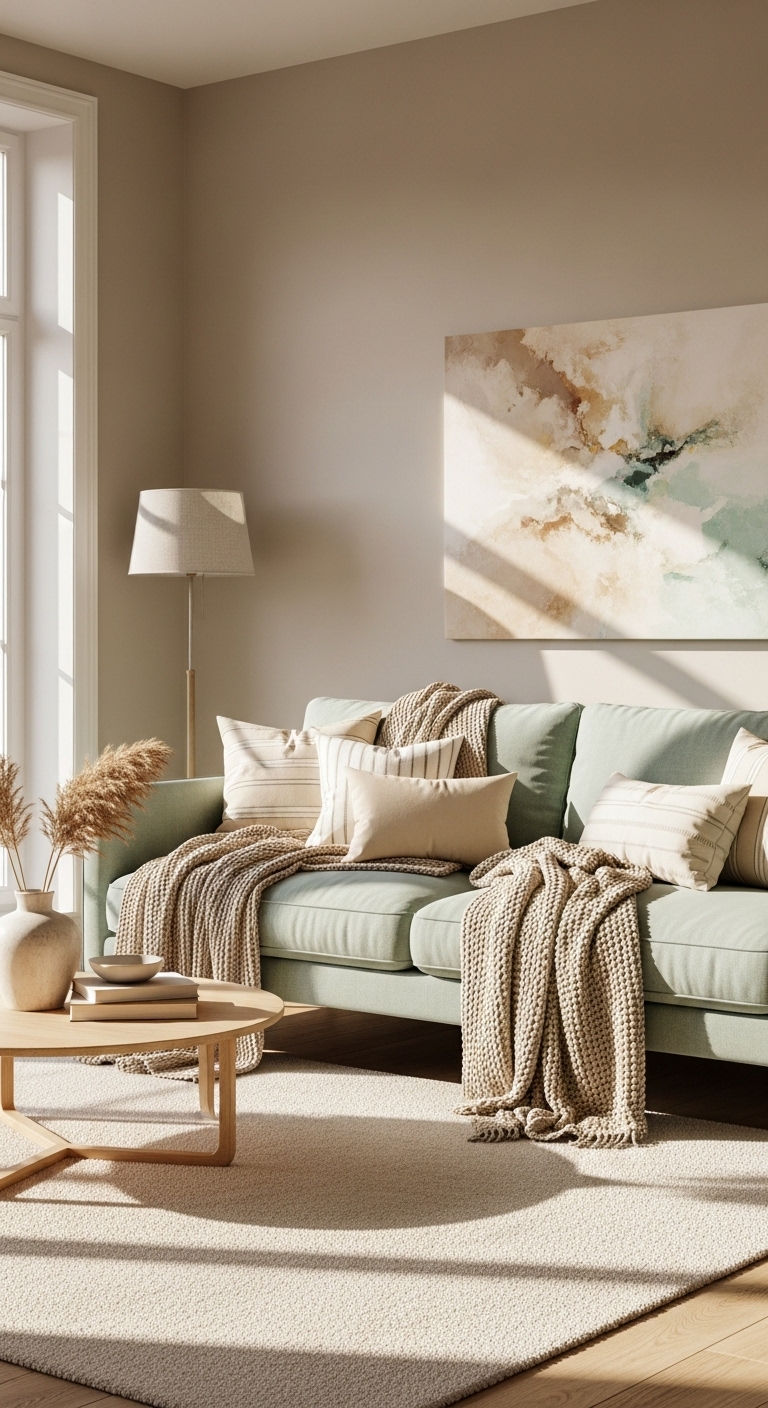
And finally, the layout that always works—no drama, just calm.
Use soft neutral tones and arrange your sofa and chairs with plenty of breathing room.
Why it works
It creates a peaceful, cohesive space.
- Feels timeless and elegant
- Enhances natural light
- Reduces visual stress
I always come back to this style when I want my space to feel “reset.”
Keep it cohesive
- Layer different shades of beige and cream
- Use soft textures
- Avoid harsh contrasts
Ever walked into a room and instantly relaxed? Yeah, this is that vibe 🙂
Conclusion
So here’s the thing—a small living room doesn’t limit you, a bad layout does.
You don’t need more space. You just need to use what you have smarter. Whether you go for a floating sofa layout, a cozy conversation nook, or a minimalist setup, the goal stays the same: better flow, better comfort, better living.
If you take one thing from this guide, let it be this:
- Prioritize movement first
- Keep layouts intentional
- Don’t overcrowd your space
And honestly? Don’t be afraid to experiment. Some of my best layouts came from random late-night rearranging sessions.
So… which one are you trying first?

Sarah Rose writes for EcoGardeningHub, sharing eco home decor ideas, sustainable styling tips, and simple ways to create beautiful, nature-inspired living spaces with a mindful, environmentally friendly approach.