How to Make a Dark Basement Bedroom Feel Warm and Cozy
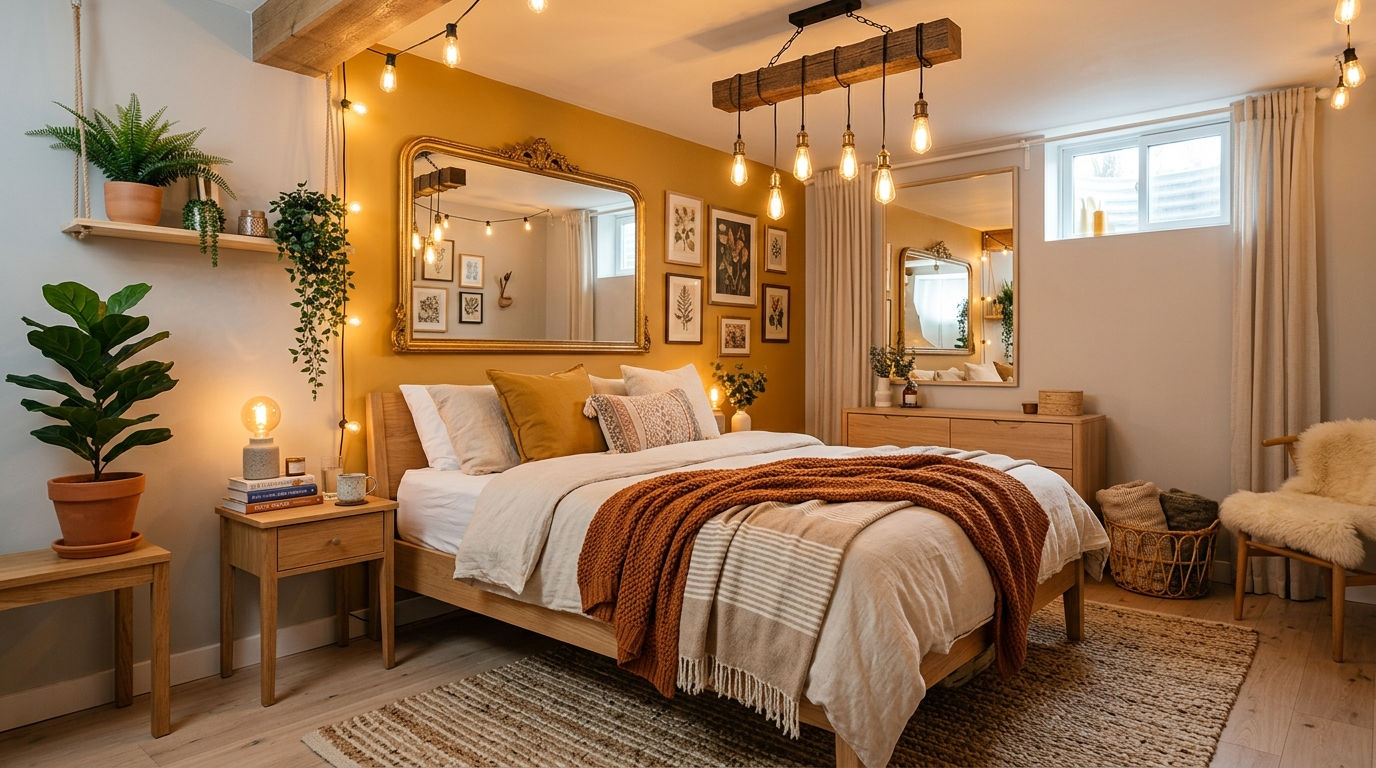
Basement bedrooms get a bad reputation. They’re often associated with cold concrete floors, low ceilings, flickering fluorescent lights, and that particular smell of dampness that no candle seems to fully mask. If you’ve inherited one — or chosen one out of necessity — it can feel like you drew the short straw in the home.
But here’s the truth that experienced interior designers know well: a basement bedroom, handled thoughtfully, can become one of the most intimate, cozy, and enveloping sleeping spaces imaginable. The very things that seem like disadvantages — the limited natural light, the enclosed feeling, the separation from the rest of the house — can actually be design assets when you know how to work with them rather than against them.
This guide walks you through every proven strategy for transforming a dark, cold basement bedroom into a space that feels genuinely warm, layered, and cozy. From lighting and color to texture, scent, and sound, you’ll find practical ideas for every budget and every type of basement.
Let’s get to work.
1. Shift Your Mindset: Stop Fighting the Darkness
The first and most important step isn’t about shopping or painting — it’s about perspective.
Most people approach a dark basement bedroom with one goal: make it look like it has natural light. They choose stark white walls, hang mirrors everywhere, and install the brightest overhead lights they can find. The result? A space that looks like it’s trying too hard and still feels sterile and cold.
A better approach: lean into the intimacy. Basements are naturally cave-like, and caves — when done right — are deeply cozy. Think of the warmth of a candlelit wine cellar, the enveloping comfort of a cozy pub, the snug feeling of a library with dark shelves and warm lamplight. None of those spaces are flooded with daylight, and none of them feel cold or uninviting.
Your basement bedroom doesn’t need to mimic a sun-drenched loft. It needs to become its own kind of beautiful — warm, layered, and intentional. Once you accept that, every design decision becomes much easier and more effective.
2. Warm Paint Colors: The Foundation of a Cozy Basement
Paint is your most powerful tool, and in a basement, color choice matters enormously. The goal is warmth — not brightness.
Colors that work beautifully in dark basement bedrooms:
Warm whites and creamy off-whites — Pure, cool white (like a stark surgical white) will look gray and flat in a basement with limited natural light. Instead, choose warm whites with yellow or pink undertones: Benjamin Moore’s White Dove, Sherwin-Williams’ Alabaster, or Farrow & Ball’s Pointing. These tones glow under warm artificial light rather than looking washed out.
Warm greiges and taupes — Greige (gray-beige) tones are endlessly versatile in basements. They’re neutral enough to not feel overwhelming in an enclosed space, but warm enough to feel inviting. Try Sherwin-Williams’ Accessible Beige or Benjamin Moore’s Revere Pewter.
Deep, moody tones — This is where basement bedrooms can truly shine. Deep terracottas, warm chocolates, forest greens, burnt oranges, and dusty plums are bold choices that create an enveloping, cocoon-like atmosphere. These colors are often associated with warmth and richness, and they look stunning under warm lamplight.
Earthy tones — Rust, ochre, clay, and warm sand tones evoke the natural warmth of earth and stone. In a basement, they feel grounded and intentional rather than gloomy.
What to avoid: cool grays, cool blues, stark whites, and anything with a lot of blue or green undertone. These colors read cold under artificial light and will make your basement feel clinical rather than cozy.
Pro tip: Always test paint colors in your actual basement before committing. Colors behave very differently under artificial light than they do on a chip in a paint store. Paint large swatches (at least 12×12 inches) on multiple walls and observe them at different times of day and night.
3. Lighting: The Single Most Important Element
If there is one area where you should concentrate your time, energy, and budget in a basement bedroom, it is lighting. Nothing else has a greater impact on how warm, inviting, and livable the space feels.
The goal is to completely eliminate flat, harsh overhead lighting and replace it with a warm, layered lighting scheme that mimics the quality of natural firelight.
Layer Your Light Sources
Ambient lighting — The general background illumination of the room. In a basement, recessed lighting or a central ceiling fixture often serves this purpose. Replace any cool-toned bulbs immediately with warm LED bulbs (2700K–3000K color temperature). This single change can make a dramatic difference.
Task lighting — Targeted light for specific activities: reading, dressing, working. Bedside lamps, desk lamps, and clip-on reading lights all serve this function. Choose fixtures with warm-toned shades (amber, terracotta, cream, or linen) that cast a warm glow rather than a bright white glare.
Accent lighting — The most important layer for creating coziness. This includes:
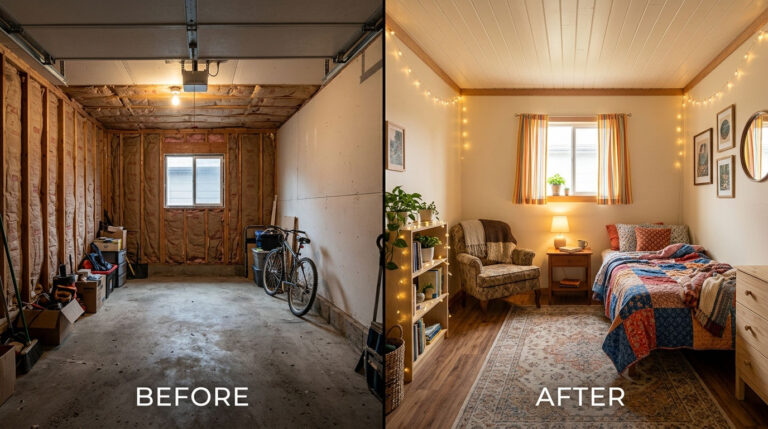
- String lights and fairy lights — Draped along a ceiling, woven through a canopy, or framed around a headboard, warm white string lights are one of the easiest and most affordable ways to create magic in a basement bedroom. Use lights with amber or warm white bulbs, never cool white.
- Floor lamps — A tall floor lamp in a corner with a warm, opaque shade creates a pool of inviting light and draws the eye upward, making the ceiling feel higher.
- Table lamps — Place them on dressers, nightstands, and shelves. Multiple lower-wattage lamps scattered around a room create far more warmth than a single bright overhead light.
- LED candles and real candles — For evening atmosphere, a cluster of pillar candles or realistic flickering LED candles on a dresser or shelf creates an unmatchable warmth. Real flames add genuine coziness but require sensible placement away from textiles.
- Himalayan salt lamps — These emit a warm amber-orange glow and are beloved for their atmospheric quality. They cost $15–$40 and serve as both a light source and a decorative object.
- Plug-in wall sconces — These are a renter-friendly alternative to hardwired sconces and can flank a headboard, frame a mirror, or illuminate a dark corner beautifully.
Eliminate Fluorescent Lighting Completely
If your basement has fluorescent tube lights — the overhead strip kind — do whatever you can to replace or supplement them. Their cool, flat light is the enemy of coziness. Cover them, remove them, or simply leave them off entirely once you’ve built up your layered lighting scheme.
Consider a Dimmer Switch
Installing a dimmer switch on your main overhead light is a low-cost ($15–$30 for the switch) improvement that gives you enormous control over your room’s atmosphere. Full brightness for getting dressed, low warmth for winding down — it’s one of the most impactful upgrades you can make.
4. Flooring: Ground the Space with Warmth
Cold, hard floors are one of the biggest contributors to the unwelcoming feeling of many basements. Whether your floor is bare concrete, cheap vinyl, or builder-grade carpet, there are strategies to make it feel warmer.
Layered rugs — A large area rug is essential in any basement bedroom. It immediately softens the visual harshness of a hard floor, adds acoustic warmth (more on that later), and physically feels warmer underfoot — especially critical in a space that tends to run cooler in temperature. Choose rugs in warm tones: rust, terracotta, warm taupe, deep burgundy, or natural wool tones.
Rug layering — For extra coziness and a bohemian, collected look, layer two rugs of different textures. A flatweave or kilim rug underneath a plush, smaller area rug creates incredible visual richness and warmth.
Sheepskin and faux fur throws — A sheepskin or faux fur rug placed on the floor beside the bed means your feet land on something soft and warm every morning. It’s a small touch with an outsized sensory impact.
Cork flooring tiles — If you’re able to make more permanent changes, cork flooring tiles are warm to the touch, naturally insulating, relatively affordable, and easy to install as a floating floor over concrete.
5. Textiles: The More, the Warmer
Textiles — bedding, curtains, cushions, throws, upholstery — are the primary vehicle for warmth and coziness in any room. In a basement bedroom, where surfaces tend to be hard and the air tends to be cool, the strategic use of soft materials is transformative.
The Bed: Your Cozy Headquarters
Your bed is the heart of your basement bedroom. Make it look as inviting as possible.
Layer your bedding — Don’t stop at a duvet and two pillows. Think in layers:
- A fitted sheet and flat sheet as your base
- A plush duvet or thick comforter in a warm-toned cover
- A chunky knit blanket or waffle-weave throw folded across the foot
- Multiple pillows of varying sizes — sleeping pillows, euro shams, decorative cushions
- A faux fur or velvet throw draped over one corner
This layered approach makes a bed look like a sanctuary you want to dive into, and it serves a practical purpose too — basements run cool, and extra layers mean you’re never cold in the night.
Choose warm-toned bedding — Deep jewel tones (burgundy, navy, emerald, mustard), earthy neutrals (camel, rust, linen), and cozy textures (velvet, flannel, waffle knit, boucle) all read warm. Avoid cold whites or cool grays.
Invest in quality pillowcases — Even budget bedding can feel luxurious with a good pillowcase. Look for brushed cotton, sateen, or microfiber options in warm tones.
Curtains and Window Treatments
Even if your basement windows are small, high, or nearly nonexistent, curtains are still worth installing. They serve several important functions: they soften walls, add color and texture, improve insulation, and make a basement feel more like a real room.
Hang curtains high and wide — Even above small basement windows, mount your curtain rod as close to the ceiling as possible and extend the rod well beyond the window frame on both sides. This creates the illusion of larger windows and higher ceilings.
Choose heavy, warm fabrics — Velvet, linen, or thick cotton curtains in warm tones (rust, terracotta, deep teal, mustard, or warm taupe) add enormous visual warmth and help with temperature insulation.
Consider blackout curtains — In a basement where light control is often minimal, blackout curtains give you full control over your sleep environment. Many come in beautiful colors and textures.
6. Create a Ceiling That Feels Like an Asset
Low or unfinished basement ceilings are one of the trickiest design challenges. Here’s how to handle them.
Paint the ceiling dark — Counterintuitive but effective: painting a low ceiling a deep, dark color (charcoal, navy, deep forest green, or even black) makes it recede visually rather than pressing down on the room. It also creates a dramatic, intimate atmosphere — like sleeping under a night sky.
Install a canopy over the bed — A fabric canopy hung from the ceiling above the bed creates a room-within-a-room effect. Instead of fighting the low ceiling, you make it an intentional design feature. Use sheer fabric, velvet panels, or even a simple length of muslin to create a draped canopy effect.
Hang string lights from the ceiling — Draping warm string lights across the ceiling in a grid pattern creates a starlit-sky effect that transforms an otherwise industrial ceiling into a magical overhead feature.
Use exposed beams as a feature — If your basement has exposed wooden beams or joists, paint or stain them in a warm tone rather than trying to hide them. Wrap them with Edison bulb string lights for a rustic, warm atmosphere.
Install tongue-and-groove wood paneling — If you can invest in a simple renovation, adding wood paneling to the ceiling gives it an instant cabin-like warmth. It’s dramatically warmer-feeling than drywall and makes the space feel intentionally designed.
7. Warm Wall Treatments Beyond Paint
Paint is powerful, but walls offer even more opportunity for warmth when you go beyond a flat painted surface.
Wood paneling and shiplap — Vertical or horizontal wood planks add incredible texture and warmth to basement walls. Real wood, whitewashed planks, or even affordable peel-and-stick wood-look panels all create a cabin or farmhouse feel that’s inherently cozy.
Exposed brick — If your basement has brick walls, this is a huge asset. Don’t cover them. Instead, lean into them — brick reads warm and textural, especially when lit with warm-toned lighting. If the brickwork is uneven or stained, a light whitewash maintains the texture while brightening the surface slightly.
Fabric wall panels — Hanging large pieces of fabric or tapestries on walls adds warmth in multiple ways: visual softness, acoustic absorption (reducing the echo common in hard-surfaced basements), and color.
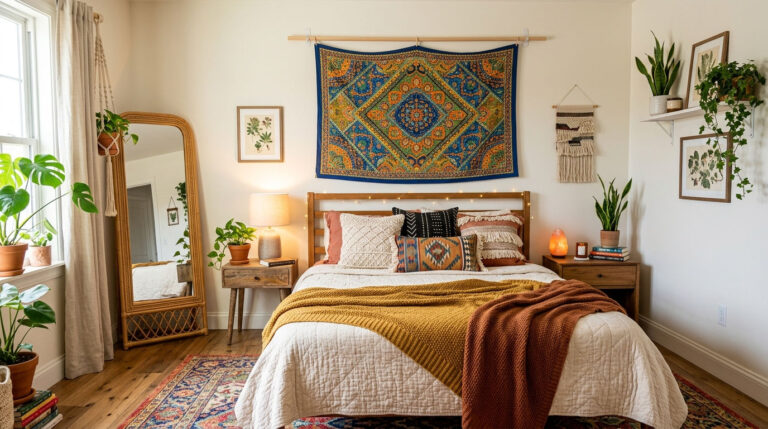
Tapestries and woven wall hangings — A large Moroccan-style tapestry, a woven wool wall hanging, or a macramé piece adds artisanal warmth and completely transforms the feel of a room with a single piece.
Wallpaper on one wall — A warm, richly patterned wallpaper on an accent wall — think botanical prints, geometric patterns in earth tones, or textured grasscloth — creates a focal point that elevates the entire room.
8. Furniture Choices That Add Warmth
The furniture you choose and how you arrange it significantly affects whether a basement bedroom feels cold and institutional or warm and inviting.
Choose warm-toned wood furniture — Natural wood in warm tones (walnut, oak, cherry, pine) reads warm and organic. Avoid cold metals, stark white lacquer, or very dark ebony-stained pieces that absorb light.
Use upholstered pieces — An upholstered bed frame, a velvet armchair, a tufted ottoman — soft, fabric-covered furniture pieces add warmth and comfort in a way that hard furniture simply can’t.
Add a seating area — If space allows, a small armchair or loveseat in a corner of the basement bedroom creates a secondary cozy zone that makes the room feel more like a full suite than just a sleeping box.
Incorporate natural materials — Rattan, wicker, bamboo, and jute add organic warmth and contrast beautifully against basement walls. A rattan headboard, a wicker basket, or a jute rug all contribute to that layered, warm feeling.
Position furniture thoughtfully — Keep large pieces away from the center of the room to maximize circulation and prevent the space from feeling cramped. Float the bed away from the wall if space allows, and arrange furniture to create intimate zones rather than pushing everything to the perimeter.
9. Greenery: Bringing Life Underground
Plants might seem like an obvious casualty of a dark basement environment, but the right plant choices can genuinely thrive underground while adding the living warmth that only nature provides.
Best plants for low-light basements:
- Pothos — Nearly indestructible, grows in very low light, and trails beautifully from shelves and hanging planters
- Snake plant (Sansevieria) — Tolerates neglect and low light better than almost any other plant; its architectural form adds visual interest
- ZZ plant — Extremely drought-tolerant and happy in low light; its waxy, deep-green leaves look lush and healthy even in dark conditions
- Peace lily — One of the few flowering plants that thrives in low light; it also helps purify basement air
- Cast iron plant — Lives up to its name; virtually indestructible in any light condition
Display ideas for maximum warmth:
- Cluster several plants of varying heights in a corner for a lush, garden-like effect
- Place trailing plants on high shelves so they cascade downward
- Use warm-toned ceramic pots, terracotta planters, or woven baskets as vessels
If even low-light plants struggle in your specific basement, consider supplementing with a small grow light (LED grow bulbs are inexpensive and subtle). Alternatively, high-quality faux plants have improved dramatically in recent years and can add convincing greenery with zero maintenance.
10. Address the Senses Beyond Sight
A truly cozy room doesn’t just look warm — it feels, smells, and sounds warm. In a basement, where sensory challenges are real (cooler temperatures, potential dampness smell, hard surfaces that echo), addressing all five senses is especially important.
Scent: The Fastest Route to Warmth
Smell is the most emotionally evocative of the senses and directly affects how a space feels. A basement that smells musty or damp will never feel cozy, no matter how beautifully decorated.
- First, address any actual moisture or mildew issues with a dehumidifier — this is practical before it’s decorative
- Use a diffuser with warm, grounding essential oils: cedarwood, sandalwood, vanilla, cinnamon, clove, or amber
- Choose candles in warm scents: woodsmoke, amber, bergamot, leather, or cozy seasonal blends
- Simmer spices on a stovetop or use a wax warmer if an open flame feels unsafe in an enclosed space
- Sachets of dried lavender or cedar in drawers and closets keep the air clean and subtly pleasant
Sound: Softening the Acoustic Harshness
Basements with hard floors and walls often have an echoey, reverberant quality that feels clinical. Soft furnishings (rugs, curtains, upholstered furniture, tapestries) naturally absorb sound and make the acoustic environment feel warmer. Beyond that:
- A small Bluetooth speaker playing ambient music, rain sounds, or lo-fi playlists creates instant atmosphere
- A white noise machine serves the dual purpose of masking household sounds from above and creating a soft, consistent sonic backdrop
- Books on shelves act as excellent sound absorbers and add warmth visually too
Temperature: Staying Actually Warm
No amount of visual coziness overcomes physical discomfort. If your basement runs cold:
- A small space heater placed safely away from textiles makes an enormous difference in winter months
- Electric heated mattress pads or heated blankets are relatively affordable and make a cold-basement bed feel luxuriously warm
- Thick rugs dramatically reduce the chill that rises from concrete floors
- Draft stoppers under doors prevent cold air from infiltrating from a cold utility space
11. Personalization: Make It Unmistakably Yours
Coziness isn’t a formula — it’s a feeling, and that feeling comes from a space that reflects the personality and history of the person living in it. A room decorated entirely from a catalog feels put-together but not cozy. Personal objects, meaningful collections, and things that tell a story are what give a space genuine warmth.
Ideas for adding personality:
- Frame and display photographs of people and places you love
- Create a bookshelf that holds things you actually read and care about
- Display souvenirs, collected objects, or meaningful keepsakes on open shelves
- Incorporate art that genuinely moves you, not just art that “goes with the room”
- Add a vintage piece — a lamp, a mirror, a rug — with history and character
Create a ritual corner — A small area of the room dedicated to a meaningful personal ritual adds enormous warmth. A reading corner with a good lamp and a comfortable chair. A small meditation or journaling nook with a floor cushion and a candle. A little coffee or tea station. These functional but personal zones make a bedroom feel like a full living space.
12. Deal with Practical Basement Issues First
All the décor in the world won’t make a basement bedroom cozy if underlying practical issues go unaddressed. Before decorating, make sure you’ve handled the basics.
Moisture and humidity — A persistently damp basement should be addressed with a quality dehumidifier before anything else. Mold and moisture ruin materials and create health issues. Check that windows and any external walls are properly sealed.
Ventilation — Basements can feel stuffy and stale. Ensure there is adequate air circulation — either through HVAC, a small fan, or opening windows where available. An air purifier also improves both air quality and smell.
Electrical outlets — You’ll need more outlets than you think for the layered lighting approach described in this guide. Use surge protector power strips to multiply your outlets safely, and have an electrician assess your circuit capacity if you’re adding significant new lighting.
Egress windows — If your basement bedroom is a legal sleeping space, it should have egress windows for fire safety. This is non-negotiable and also happens to be a major source of the natural light and fresh air that make the space more livable.
Putting It All Together: A Room-by-Room Transformation Checklist
Use this checklist to work through your basement bedroom transformation systematically:
Practical Foundations
- [ ] Dehumidifier in place and working
- [ ] Any moisture or mold issues addressed
- [ ] Egress windows functional and unobstructed
- [ ] Adequate outlets available
Lighting
- [ ] All bulbs switched to warm-tone (2700K–3000K)
- [ ] Harsh fluorescent lights removed or supplemented
- [ ] At least 3–4 light sources layered throughout the room
- [ ] Bedside lamp or reading light in place
- [ ] Accent lighting (string lights, candles, floor lamps) installed
Color and Walls
- [ ] Warm paint color chosen and applied
- [ ] Ceiling addressed (painted, canopied, or highlighted with lights)
- [ ] At least one wall with additional texture or treatment
Flooring
- [ ] Area rug in place (warm tone, large enough to anchor the space)
- [ ] Beside-bed soft rug (sheepskin, faux fur, or plush mat)
Textiles
- [ ] Bedding layered with warm-toned duvet, throws, and pillows
- [ ] Curtains hung high and wide (even over small windows)
- [ ] Wall tapestry or fabric art in place
Greenery and Scent
- [ ] At least 2–3 low-light plants in place
- [ ] Diffuser or candles for scent
- [ ] Dehumidifier keeping air fresh
Personal Touches
- [ ] Meaningful photos or art displayed
- [ ] Books and personal objects on shelves
- [ ] At least one cozy ritual corner created
Final Thoughts:
A dark basement bedroom is not a consolation prize. Handled with intention, it can become the most enveloping, restful, and deeply personal space in your entire home. It has qualities that above-ground rooms simply can’t replicate: quiet, temperature stability, total darkness for sleep, and a natural intimacy that daylight rooms often lack.
Work with the space rather than against it. Layer your lighting instead of blasting it. Embrace warm, moody tones instead of chasing brightness. Pile on the textiles and the rugs and the plants. Address the practical realities honestly. And above all, make it yours.
The best basement bedrooms aren’t the ones that least resemble basements. They’re the ones that have fully become something else entirely — warm, cozy, beautiful sanctuaries that happen to be underground.

Sarah Rose writes for EcoGardeningHub, sharing eco home decor ideas, sustainable styling tips, and simple ways to create beautiful, nature-inspired living spaces with a mindful, environmentally friendly approach.