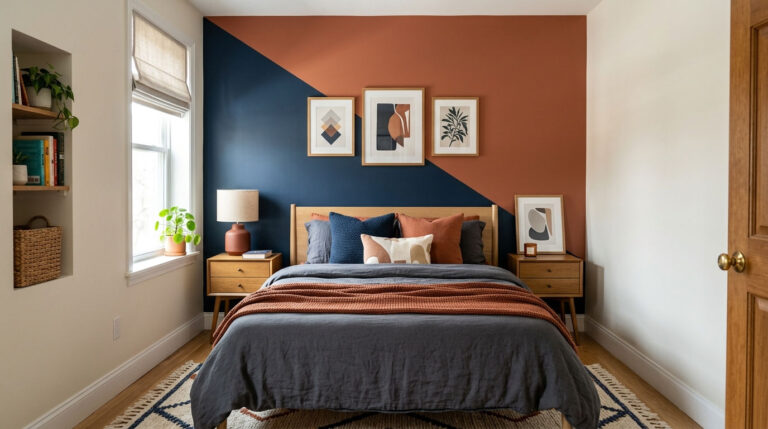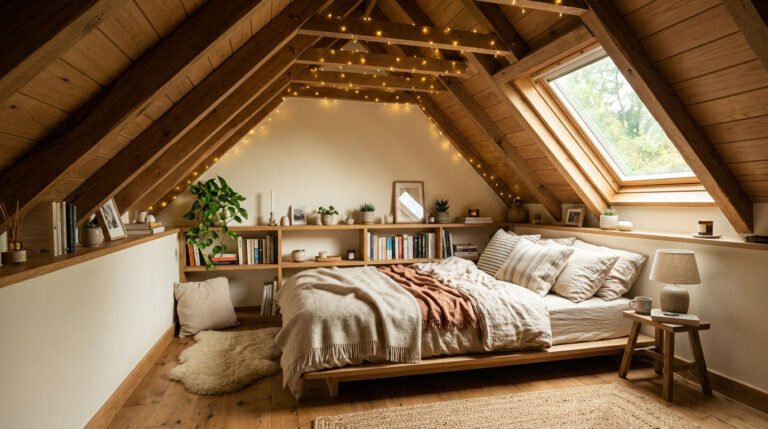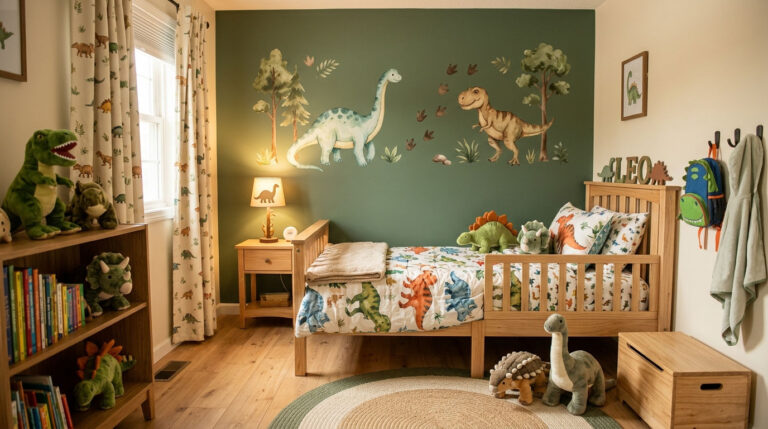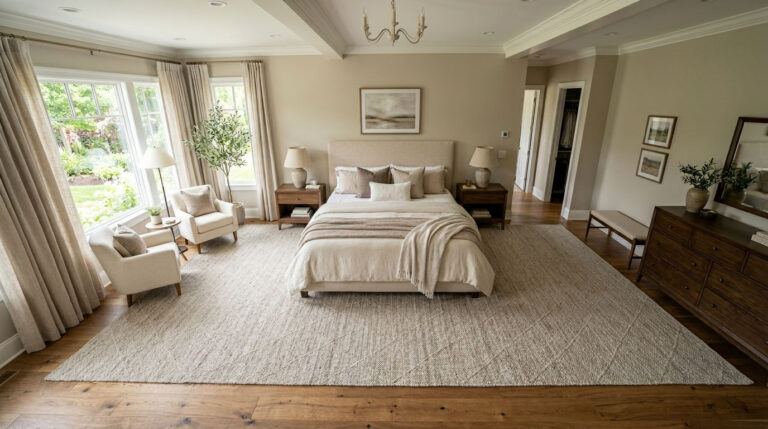
How to Mix and Match Bedroom Furniture Without It Looking Messy
If you’ve ever walked into a showroom, pointed at an entire matching bedroom set, and thought, “That’s the safe choice” — you’re not alone. Matching sets feel predictable, but they’re also a little lifeless. The good news? Mixing and matching bedroom furniture isn’t just acceptable in modern interior design — it’s the preferred approach. The secret is knowing the rules before you break them.
This guide will walk you through everything you need to know to combine different furniture pieces, styles, and eras in your bedroom without it looking chaotic or accidental.
Why Mixing Bedroom Furniture Beats a Matching Set
Perfectly matched bedroom sets can make a room feel flat, showroom-generic, and devoid of personality. When every piece shares the same finish, silhouette, and hardware, the eye has nowhere interesting to travel.
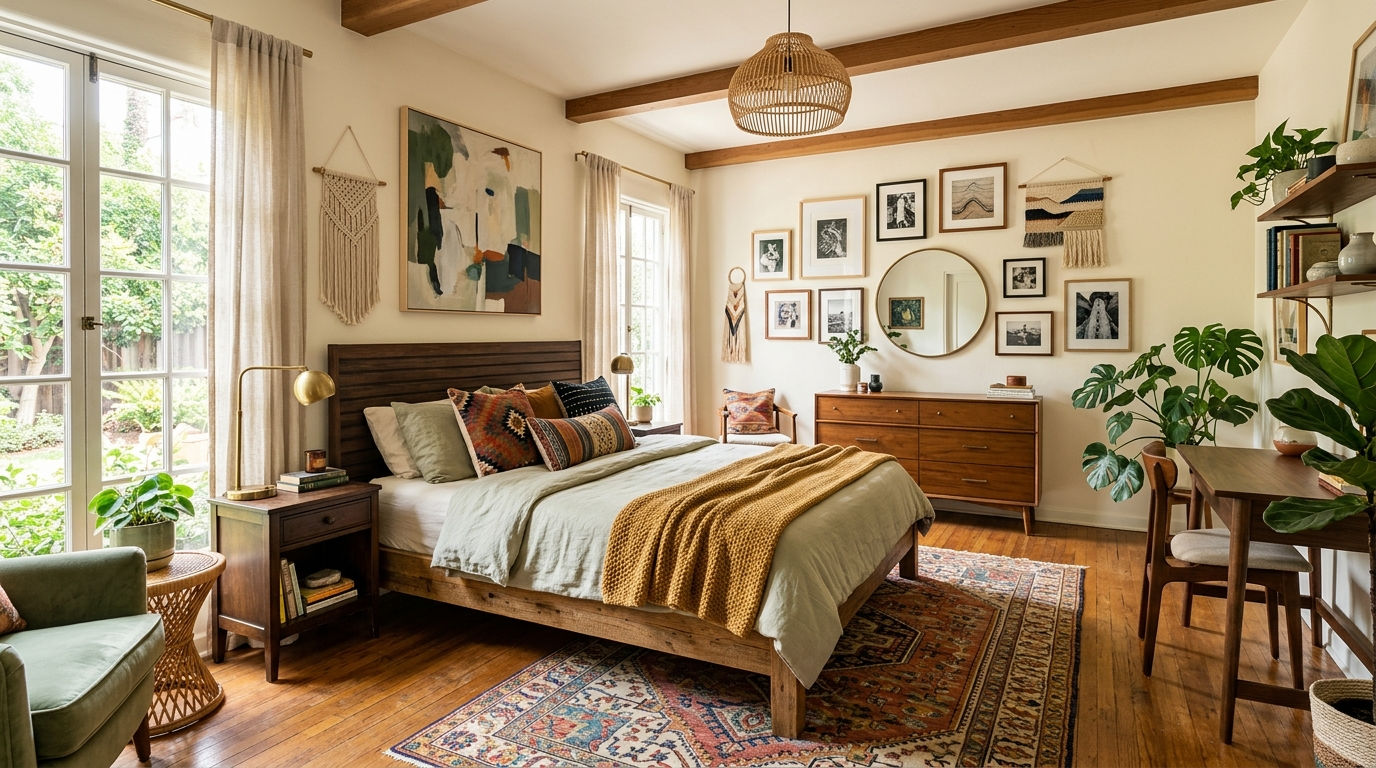
Mixed furniture, on the other hand, tells a story. It suggests a room that was curated over time — that each piece was chosen intentionally. Done right, it looks collected, layered, and deeply personal. The key word there is intentionally. The difference between a bedroom that looks “eclectic” and one that looks “chaotic” comes down to a handful of design principles, all of which you can master without a degree in interior design.
Start With a Unifying Anchor Piece
Before you mix anything, identify your anchor — the one piece of furniture that will define the room’s direction. In most bedrooms, this is the bed frame or the headboard.
Your anchor piece doesn’t need to be the most expensive item in the room, but it should be the most intentional. It should communicate the overall vibe you’re going for: rustic, mid-century modern, industrial, bohemian, contemporary minimalist, and so on. Everything else you bring into the room will respond to this piece in some way.
Practical tip: If you already own a bed frame and are building around it, take a photo and use it as your reference point every time you’re considering a new piece. Ask yourself, “Does this have a conversation with my bed frame, or does it argue with it?”
Choose a Consistent Color Palette — Even If the Styles Vary
One of the most powerful tools for making mixed furniture look intentional is a shared color story. Even if your nightstand is rattan, your dresser is painted wood, and your wardrobe is sleek lacquered MDF, they can all belong together if they share a cohesive palette.
Here’s how to build one:
Anchor neutrals: Choose one or two neutral tones that will dominate — think warm whites, soft greys, taupes, charcoals, or rich creams. These should appear across multiple pieces.
Accent colors: Pick one or two accent tones (a dusty terracotta, a deep sage, a warm brass) that show up in smaller doses — drawer hardware, a lamp base, a throw pillow.
Wood tones: This is where most people go wrong. You don’t have to match wood tones exactly, but you do need them to be harmonious. Mixing a cool grey-washed oak with a warm honey pine creates visual tension. Instead, keep your wood tones in the same temperature family — all warm (honey, walnut, amber) or all cool (ashen, driftwood, ebony).
A two-tone wood approach — one dominant and one accent — is a designer’s go-to for effortless depth.
Use the Rule of Three for Styles
When mixing furniture styles (say, modern with vintage, or industrial with Scandinavian), aim for no more than three distinct style influences in a single room. Any more than that and the room starts to feel unfocused.
A reliable formula:
- One dominant style (e.g., mid-century modern — clean lines, tapered legs, walnut tones)
- One complementary style (e.g., Japandi minimalism — natural textures, muted palette)
- One contrasting accent (e.g., a single vintage brass floor lamp or an ornate antique mirror)
That third contrasting piece is what gives the room its character. It’s the unexpected element that makes visitors stop and look. Just don’t let it become four or five contrasting elements — restraint is the whole game here.
Pay Attention to Scale and Proportion
Furniture that’s mismatched in scale — not style — is the most common reason a bedroom starts to look “off.” A delicate, spindly nightstand next to a massive, hulking bed frame creates visual imbalance that reads as accidental, not eclectic.
Guidelines for proportion:
- Nightstands should generally reach the height of your mattress top, or come within a few inches of it.
- The headboard height should be proportionate to your ceiling height. High ceilings invite taller headboards; standard ceilings pair better with lower profiles.
- A dresser or chest of drawers shouldn’t tower over every other piece in the room — if it does, it becomes visually dominant and should be treated like an anchor, not a supporting piece.
- Leave breathing room. Furniture crammed together regardless of style will always look messy.
When in doubt, draw a rough floor plan (even on paper) and note the heights of your pieces. Variation in height is desirable — it creates rhythm — but extreme jumps in scale between adjacent pieces create discord.
Mix Textures, Not Just Styles
Texture is one of the most underused tools in bedroom design. When you’re mixing furniture, introducing varied textures creates visual richness that makes a room feel layered and warm — even if the color palette is simple.
Think about bringing in a range of tactile surfaces:
- Smooth: Lacquered wood, glass, polished metal, linen
- Rough: Raw wood, cane, woven rattan, concrete, linen (yes, linen can read both ways depending on weave)
- Soft: Velvet, boucle, knit throws, sheepskin
A room with only smooth, hard surfaces feels cold and sterile. A room with only soft textures can feel heavy and overwhelming. Aim for contrast — a sleek white dresser next to a cane-backed chair, a velvet bench at the foot of an upholstered bed, a raw wood nightstand beside a brass lamp.
The texture contrast is what makes each individual piece pop, and what makes the combination feel designed rather than assembled.
Use Hardware as a Unifying Thread
Hardware — drawer pulls, knobs, handles, lamp bases, curtain rods — is one of the cheapest and most effective ways to create cohesion across mismatched furniture.
If your nightstand has brushed brass knobs and your dresser has chrome handles, the room will feel fragmented even if every other element is harmonious. But if you swap the handles on the dresser for brushed brass too, suddenly those two wildly different pieces are speaking the same language.
Choose one metal finish to run throughout the room: matte black, antique brass, brushed nickel, oil-rubbed bronze, or unlacquered brass are all popular choices. Let this finish appear in at least three to four places — nightstand hardware, dresser pulls, lamp bases, curtain hardware, picture frames.
This is the kind of detail that separates rooms that look professionally designed from rooms that look like they were assembled from different lifetimes.
Don’t Neglect the Floor
Rugs are an often-overlooked furniture unifier. A well-chosen area rug can visually anchor a seating area, define the bed zone, and — crucially — tie together disparate furniture pieces by giving them a shared “ground.”
A good bedroom rug should:
- Be large enough that the front legs of all major furniture pieces can sit on it (for most queen or king beds, that’s at least a 8×10)
- Complement the dominant color in the room without matching it exactly
- Introduce texture if the rest of the room is smooth, or warmth if the room is running cool
A rug that’s too small floats in the room and makes the whole space feel disconnected. Size up whenever you’re in doubt.
How to Mix Vintage and Modern Furniture Successfully
This is one of the most popular combinations in contemporary bedroom design — and one of the easiest to get wrong.
The key is contrast with common ground. Your vintage and modern pieces should share at least one of the following: color family, material, or scale. If they share none of these, they’ll fight each other.
Combinations that tend to work:
- Modern upholstered bed + vintage wooden dresser with updated hardware
- Antique ornate mirror over a sleek, contemporary low dresser
- Mid-century teak nightstands flanking a modern linen-upholstered headboard
- A vintage rattan chair in the corner of a spare, Japandi-influenced room
Combinations that tend to clash:
- Heavily ornate Victorian furniture mixed with sharp-edged industrial metal pieces (no shared visual language)
- Rustic reclaimed wood mixed with ultra-glossy lacquered modern furniture (too much contrast in finish)
- Multiple vintage pieces from different eras competing for attention
When in doubt: one vintage hero piece in a room of modern furniture is always a safer starting point than multiple vintage pieces fighting for dominance.
Lighting Is Furniture Too
Many people design their bedroom furniture layout and treat lighting as an afterthought. But lamps, sconces, and pendant lights are furniture in the same way a nightstand or dresser is — they occupy visual real estate, introduce materials and shapes, and contribute to the room’s overall tone.
Treat your lighting fixtures as part of your mix-and-match equation. A sculptural ceramic table lamp can bring an organic counterpoint to angular wooden furniture. A pair of matching sconces flanking the bed creates symmetry even if the rest of the room is deliberately asymmetrical.
Lighting mixing rules:
- Overhead lighting and bedside lighting don’t need to match, but they should share a finish or tone
- Varying the form of your light sources (one task lamp, one ambient source, one accent) adds dimension
- Warm-toned bulbs (2700K–3000K) flatter almost every furniture finish and make mixed rooms feel more cohesive
The Importance of Intentional Asymmetry
Symmetry in bedroom design — matching nightstands, matching lamps, mirrored furniture arrangement — reads as safe and composed. But asymmetry, when handled deliberately, reads as confident and interesting.
You can have asymmetrical nightstands (one low wooden crate, one tall rattan table) as long as the visual weight of the two sides balances out. Weight in design terms doesn’t mean literal heaviness — it means how much visual attention each side commands. A taller, lighter piece can balance a shorter, chunkier one. A lamp on one side might balance a stack of books and a plant on the other.
The rule: asymmetry should feel considered, not like you ran out of room.
Common Mistakes to Avoid When Mixing Bedroom Furniture
Even with the best intentions, a few missteps can undermine an otherwise well-designed space:
Too many focal points. Every piece competing for attention means no piece wins. Decide what you want to look at first and design around that hierarchy.
Ignoring the ceiling height. Low ceilings need lower-profile furniture. Tall furniture in a low-ceilinged room makes the space feel suffocating regardless of how well the pieces match.
Trendy without timeless. It’s fine to include a trendy piece, but anchor it with furniture that has lasting visual appeal. A room full of trend-driven pieces dates fast.
Forgetting functional flow. Even the most beautiful bedroom will feel “wrong” if the furniture arrangement disrupts natural movement through the space. Drawers need room to open. There should be a clear path from the door to the bed.
Mixing too many wood tones. As mentioned earlier, this is one of the fastest ways to make a carefully chosen collection look accidental. Stick to a two-tone wood strategy maximum.
A Simple Checklist Before You Finalize Your Bedroom Mix
Before committing to a combination, run through these questions:
- Does every piece share at least one of the following with the room’s anchor piece: color family, material, or scale?
- Are my wood tones in the same temperature family (all warm or all cool)?
- Is my hardware finish consistent across at least three pieces?
- Are there no more than three distinct style influences in the room?
- Do the heights of my furniture pieces create rhythm rather than randomness?
- Have I introduced at least three different textures?
- Is there a rug of sufficient size anchoring the space?
If you can check most of these boxes, you have a thoughtfully mixed bedroom — not a messy one.
Final Thoughts: Messy vs. Curated Is All About Intention
The line between a bedroom that looks intentionally eclectic and one that looks like it hasn’t been thought through is thinner than most people think. It doesn’t come down to whether your pieces match — it comes down to whether they were chosen with awareness of the whole.
Start with one anchor piece. Build a color palette. Respect scale and proportion. Let hardware and texture do the quiet work of unification. And remember: the most interesting bedrooms are almost never made up of matching sets. They’re made up of things that were loved enough to keep, or chosen carefully enough to earn their place.
That’s not messiness. That’s a room with character.

Sarah Rose writes for EcoGardeningHub, sharing eco home decor ideas, sustainable styling tips, and simple ways to create beautiful, nature-inspired living spaces with a mindful, environmentally friendly approach.