How to Feng Shui Your Bedroom for Better Sleep and Good Luck
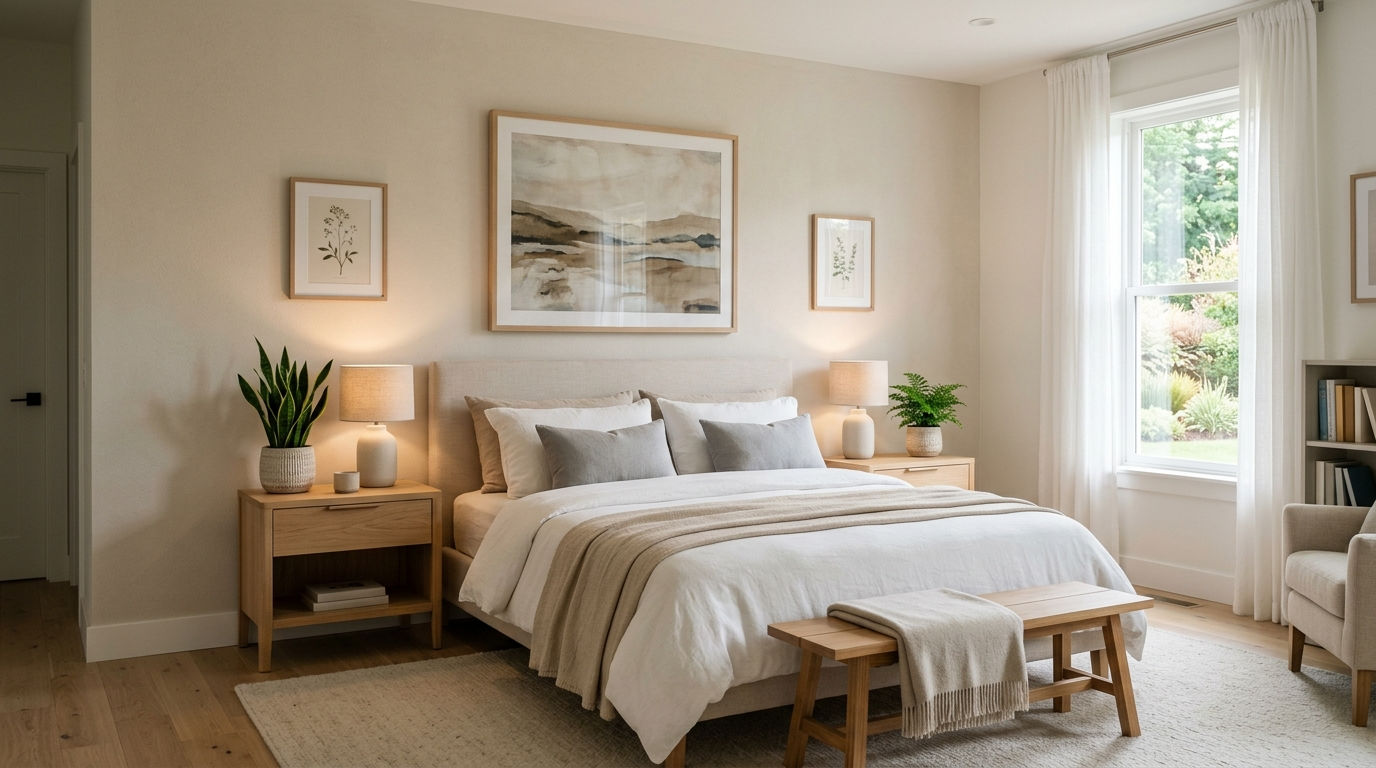
Transform your sleeping space into a sanctuary of positive energy, restful nights, and lasting fortune — using the ancient wisdom of feng shui.
What Is Feng Shui and Why Does It Matter for Your Bedroom?
Feng shui (pronounced “fung shway”) is an ancient Chinese practice that dates back over 3,000 years. At its core, it is the art and science of arranging your living environment to harmonize with the natural flow of energy — known as chi (or qi). When chi flows freely and positively through a space, it promotes health, happiness, prosperity, and peace.
Of all the rooms in your home, the bedroom holds the most importance in feng shui. You spend roughly one-third of your life in this room. It is where your body heals, your mind resets, and your spirit restores itself. A bedroom with poor feng shui can silently drain your energy, disrupt your sleep, and even block good luck from entering your life. A bedroom with good feng shui, on the other hand, becomes a powerful magnet for wellbeing and abundance.
Whether you are a devoted practitioner or a curious beginner, the following guide will walk you through every essential principle and actionable step to feng shui your bedroom — from bed placement to color choices, decluttering strategies, and powerful symbols of good luck.
Step 1: Start with the Commanding Position — The Most Important Feng Shui Rule
The single most critical feng shui principle for the bedroom is placing your bed in what is called the commanding position. This concept is foundational to the entire practice.
The commanding position means:
- Your bed should be positioned so you can see the bedroom door while lying down, but you should NOT be directly in line with the door (never have your feet pointing straight at the door — this is called the “coffin position” in feng shui and is strongly discouraged).
- Your headboard should be against a solid wall, never under a window, and never floating in the middle of the room.
- You should have a clear sightline to the door without being directly in front of it. Diagonal placement — across the room from the door — is ideal.
Why does this matter? In feng shui, the commanding position places you in a position of power, safety, and awareness. Psychologically, it signals to your nervous system that you are safe and in control of your environment, which directly improves sleep quality. Energetically, it allows positive chi to nourish you throughout the night without overwhelming you.
If your bedroom layout makes the commanding position difficult to achieve, you can use a mirror strategically placed so you can see the door’s reflection from your bed. This is an accepted feng shui workaround.
Step 2: Choose the Right Bed and Headboard
Your bed is the most important piece of furniture in a feng shui bedroom. Every detail about it — from its size to its material — carries energetic significance.
The Headboard: Your Symbol of Support
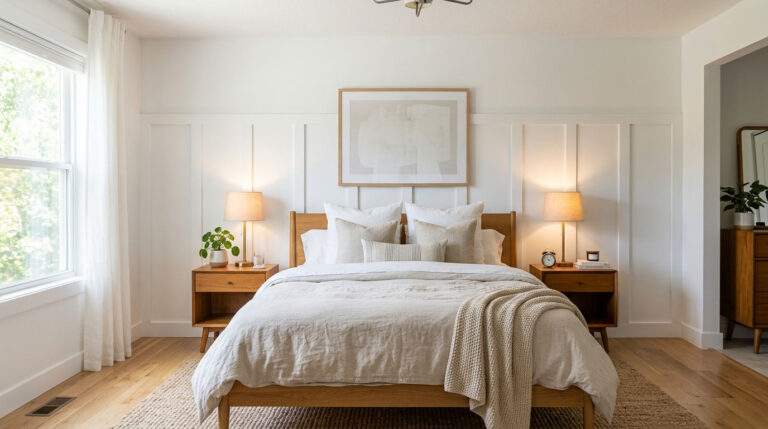
A solid headboard represents stability, support, and protection in your life. Choose a headboard that is:
- Solid and sturdy — wood or upholstered headboards are ideal
- Attached to the bed frame rather than floating on the wall
- Without bars, slats, or holes — these create “cutting energy” that can feel unsettling during sleep
Avoid headboards made of metal bars, as metal conducts energy too sharply for the bedroom’s restful needs.
Bed Height and Frame
Your bed should be at a moderate height — not too low to the ground and not excessively high. A bed that is too low to the floor prevents chi from circulating beneath it, which can stagnate energy and affect your health over time. Lift your bed off the floor with a proper frame to allow air and energy to flow freely underneath.
Avoid storing items under your bed whenever possible. Clutter beneath your sleeping surface creates stagnant, heavy energy that disrupts sleep and blocks prosperity. If storage is truly necessary, keep only soft, sleep-related items like extra linens — and never store old paperwork, heavy objects, shoes, or emotionally charged items under your bed.
Mattress Matters
Use a single, unified mattress rather than two mattresses pushed together if you share a bed. A divided mattress symbolizes division in the relationship, which can subtly affect your partnership over time.
Step 3: Declutter Your Bedroom — Clear the Space, Clear Your Life
In feng shui, clutter is the number one enemy of positive chi. Clutter blocks the flow of energy just as a dam blocks the flow of water. And in a room where you sleep and restore yourself, stagnant energy is particularly damaging.
Decluttering your bedroom is not just a physical act — it is an energetic one. Every item you remove that no longer serves you makes space for new opportunities, better health, and fresh luck.
Here is a practical decluttering checklist for a feng shui bedroom:
- Remove all work-related items — laptops, work files, and office equipment bring “yang” (active) energy into a space that should be “yin” (restful). Keep work completely out of the bedroom.
- Clear surfaces — nightstands, dressers, and shelves should hold only items that are beautiful, meaningful, or functional. Every surface covered in random objects blocks chi.
- Sort your wardrobe — a closet overflowing with clothes you do not wear holds stagnant energy. Donate, sell, or discard items that no longer fit your life.
- Remove broken items — anything broken, chipped, cracked, or non-functional should leave your bedroom immediately. Broken objects symbolize broken energy in feng shui.
- Limit electronics — televisions, phones, and tablets bring active, scattered energy and electromagnetic fields into the bedroom. If you must have a TV, cover it when not in use.
Think of decluttering not as a chore but as an invitation: you are making physical and energetic room for the life you want.
Step 4: Choose the Right Colors for Sleep and Good Luck
Color is a powerful feng shui tool. Different colors carry different energetic qualities, and the right palette can profoundly affect the quality of your sleep, your mood, and the energy you attract.
Best Feng Shui Colors for the Bedroom
Soft, Earthy Neutrals (Highly Recommended) Colors like warm beige, soft terracotta, sandy tan, and muted cream represent the Earth element in feng shui. They create grounding, stability, and nourishment — qualities that are deeply supportive for sleep and for attracting steady good fortune. These are universally considered the best feng shui bedroom colors.
Soft, Muted Pinks and Peaches These colors activate the love and relationship area of feng shui (the Bagua map’s romance corner) and create warmth and receptivity. They are especially beneficial for those seeking to attract or strengthen a romantic partnership.
Deep, Rich Blues and Greens (Used Thoughtfully) Soft sage green, dusty blue, or muted teal represent the Wood element, which promotes growth, healing, and new beginnings. These colors work beautifully in bedrooms but should be soft and muted rather than bold or bright.
Lavender and Soft Purple Light lavender is calming and spiritual, and in feng shui it carries a gentle, transformative energy that supports rest and inner peace.
Colors to Avoid in the Bedroom
- Bright, bold red — red is powerful yang energy (fire element) that stimulates and excites rather than calms. While small doses of red can activate passion, painting bedroom walls red overstimulates and disrupts sleep.
- Stark white — in feng shui, excessive white brings cold, clinical energy that can feel isolating rather than restful.
- Black — while black can be used as an accent, dominant black in the bedroom creates heavy, oppressive chi.
- Bright, saturated colors in general — electric blues, neon greens, or vivid oranges are too activating for a space meant for rest.
The guiding principle: choose colors that feel like a deep, relaxing exhale.
Step 5: Optimize Your Bedroom Layout for Chi Flow
Beyond the bed placement, the overall layout of your bedroom determines how smoothly chi can move through the space.
Keep Pathways Clear
Chi flows through a room the same way water does — it needs clear pathways to circulate. Make sure:
- You can walk freely around all sides of your bed (especially if you share it with a partner — both people should be able to enter and exit the bed from their own side)
- Furniture is not blocking doorways or windows
- The room does not feel cramped or chaotic
Balance Both Sides of the Bed
If you are in (or seeking) a romantic relationship, feng shui strongly recommends equal space on both sides of the bed with matching nightstands. Symmetry on both sides of the bed symbolizes balance and equality in partnership. A single nightstand, or one side of the bed pushed against a wall, energetically leaves no room for a partner in your life.
Mind Your Door and Window Relationships
Avoid placing your bed in a position where:
- The head of your bed shares a wall with a toilet on the other side (draining energy)
- Your bed sits directly beneath a heavy beam or sloped ceiling (creates oppressive, downward pressure)
- Your bed is in front of a window without a headboard (no support, unstable energy)
Step 6: Use the Bagua Map to Activate Good Luck Areas
The Bagua map is one of the most powerful tools in feng shui. It is an energetic map that overlays your bedroom (and your entire home) and divides it into nine zones, each corresponding to a specific area of life: wealth, love, health, career, creativity, family, knowledge, helpful people, and fame.
To use the Bagua in your bedroom:
- Stand at your bedroom doorway, facing inward.
- The area near the door is the Career zone (front-center).
- The far-left corner is the Wealth and Prosperity zone.
- The far-right corner is the Love and Relationships zone.
- The far-center is the Fame and Reputation zone.
- The center of the room is the Health zone.
Activating Key Zones for Good Luck
Wealth Corner (Far Left) Place a small plant with round leaves (such as a jade plant), a meaningful piece of art in purple or gold tones, or a symbolic wealth object in this corner to activate financial energy.
Love Corner (Far Right) This is the most important corner for attracting or deepening romantic love. Place pairs of objects here — two rose quartz crystals, two candles, or artwork depicting love and togetherness. Remove any single or lonely imagery from this corner.
Health Center Keep the center of your bedroom clear and open. Placing anything heavy or cluttered in the room’s center blocks health energy. If possible, keep this area as open and unobstructed as possible.
Step 7: Bring in the Right Plants and Nature Elements
Nature is a powerful source of positive chi, and bringing natural elements into your bedroom can significantly uplift its energy. However, feng shui has specific guidance about which plants belong in the bedroom and which do not.
Best Plants for a Feng Shui Bedroom
- Peace Lily — one of the few plants widely recommended for the bedroom; it purifies air and carries gentle, calming energy
- Snake Plant (Sansevieria) — a powerful air purifier with protective energy; keep it in a corner rather than right beside the bed
- Orchids — associated with refinement, love, and fertility; they bring gentle beauty and romantic energy
- Aloe Vera — protective and healing; a small aloe on a windowsill brings good luck and health
Plants to Approach with Caution
Large, fast-growing plants or those with very active energy (like large leafy tropicals) can introduce too much “yang” vitality into a bedroom that needs restful “yin” energy. If you love plants, keep them to a moderate size and number.
Dried flowers and dead plants carry stagnant, decaying energy in feng shui — remove them from the bedroom entirely.
Step 8: Control Light and Air Quality
Chi needs fresh air and balanced light to remain vibrant and supportive.
Natural Light
During the day, allow as much natural light as possible to enter your bedroom. Sunlight activates and energizes the chi in the space, clearing stagnation. Open windows regularly to allow the chi to refresh.
Nighttime Darkness
At night, your bedroom should be as dark as possible to support the production of melatonin and deep, restorative sleep. Use blackout curtains or heavy drapes to block streetlights and external light sources. In feng shui, darkness at night allows the yin energy necessary for rest and regeneration to be fully present.
Air Quality
Stale or heavy air stagnates chi. Improve your bedroom’s air quality by:
- Opening windows when weather permits
- Using air-purifying plants (as noted above)
- Using an essential oil diffuser with calming scents like lavender, sandalwood, or cedarwood
- Avoiding synthetic air fresheners, which introduce chemical energy
Step 9: Choose Meaningful Art and Décor — What You See Shapes Your Energy
Every image, object, and piece of art in your bedroom communicates something to your subconscious mind — and to the universe. In feng shui, what you surround yourself with in your most intimate space is a direct statement of what you wish to attract into your life.
Art That Supports Good Feng Shui
- Images of nature — serene landscapes, water scenes, forests, and mountains all bring calming, life-affirming energy
- Imagery of pairs — two birds, two trees, two flowers; especially important in the love corner
- Uplifting, joyful imagery — choose art that makes you feel peaceful, loved, and hopeful when you look at it
- Personal and meaningful pieces — art that carries positive memories or emotional significance is especially powerful
What to Remove
- Images of solitude or sadness — portraits of lone figures, grief-filled or dark imagery, abstract art that feels unsettling
- Family photos — while you love your family deeply, photos of parents, children, or siblings in the bedroom can introduce a subtle energy that inhibits romantic and private energy in the space
- Aggressive or violent imagery — any art depicting conflict, battle, or darkness should leave the bedroom
Mirrors: A Special Note
Mirrors are among the most powerful tools — and the most misused — in feng shui. In the bedroom, the primary rule is: do not place a mirror directly facing your bed. A mirror that reflects your sleeping body is said to invite a third-party energy into the relationship and can disturb sleep by keeping the room’s energy too active at night.
Mirrors on the side of the bed or inside closet doors are generally acceptable. A mirror that reflects the door or a beautiful view can also work well — the key is that it does not directly face where you sleep.
Step 10: Add Feng Shui Symbols of Good Luck
Once the fundamentals are in place, you can intentionally place traditional feng shui symbols of good luck and positive energy in your bedroom. These are not superstitions — they are intentional anchors of focused energy and conscious intention.
Rose Quartz
The stone of unconditional love. Place a piece of rose quartz on your nightstand or in the love corner to attract and deepen romantic connection, self-love, and emotional healing.
Citrine
Known as the “merchant’s stone,” citrine carries the energy of abundance and positivity. A small citrine crystal in the wealth corner of your bedroom sets a clear intention for prosperity.
Bamboo
Lucky bamboo (particularly in arrangements of 3 or 9 stalks) is a classic feng shui symbol of growth, resilience, and fortune. A small arrangement in the health or wealth area of your bedroom brings steady, growing good luck.
Mandarin Ducks
These are the quintessential feng shui symbol of love and marital bliss. A pair of carved mandarin ducks placed in the love corner is considered one of the most powerful activations for romantic luck.
Red String of Coins
Traditional Chinese feng shui coins tied together with red string symbolize the attraction of wealth and opportunity. Hang or place them discreetly in the wealth corner.
Step 11: Keep the Energy Fresh — Ongoing Feng Shui Maintenance
Feng shui is not a one-time arrangement — it is a living practice. The energy in your bedroom shifts over time, and regular maintenance keeps it vibrant and supportive.
Weekly: Change your bed linens regularly. Fresh, clean bedding is one of the simplest and most powerful feng shui practices — it signals renewal and invites positive chi.
Monthly: Dust and clean all surfaces, including under the bed if possible. Stagnant dust is stagnant energy.
Seasonally: Reassess your bedroom through feng shui eyes. Has clutter crept back in? Has anything broken? Are there plants that need refreshing? Do a seasonal reset.
After major life events: After illness, a breakup, a significant loss, or a major transition, consider doing a thorough feng shui refresh of your bedroom — and even performing a space clearing with sound (like a singing bowl or clapping) or natural smoke (like palo santo or cedar) to clear old energy and set new intentions.
Common Feng Shui Bedroom Mistakes to Avoid
Even with the best intentions, there are a few common errors that can undermine your bedroom’s feng shui. Here is a quick reference of what NOT to do:
- Bed directly facing the door (coffin position) — creates anxiety, not rest
- No headboard — leaves you without symbolic support in life
- Clutter under the bed — stagnates energy right at the source of restoration
- Mirrors facing the bed — over-activates energy and can disturb sleep
- Working in the bedroom — mixes career energy into a rest space
- Dead plants or dried flowers — carries decaying energy
- Mismatched or single-side nightstands — blocks partnership energy
- Sleeping under a beam — creates oppressive, downward chi
- Electronics on all night — active, disruptive energy during your most vulnerable hours
- Art depicting sadness, violence, or loneliness — communicates lack to the subconscious and the universe
Final Thoughts: Your Bedroom as a Sacred Space
Feng shui is ultimately about intention. It is about becoming thoughtful and conscious about the environment you inhabit — understanding that your surroundings reflect and shape your inner world. When you arrange your bedroom with care, you are doing more than moving furniture. You are declaring to yourself and to life: I deserve rest. I deserve love. I deserve abundance.
You do not need to implement every suggestion in this guide overnight. Start with the fundamentals: the commanding position for your bed, a decluttered space, and colors that feel calm and nourishing. Notice how your sleep and mood shift. Then, layer in the additional elements — the lucky symbols, the Bagua activations, the thoughtful art — at your own pace.
Your bedroom has the potential to be more than just a place where you sleep. With feng shui principles guiding your choices, it can become your most powerful sanctuary — a space that heals you every night and sends you into every day rested, centered, and open to all the good luck life has to offer.

Sarah Rose writes for EcoGardeningHub, sharing eco home decor ideas, sustainable styling tips, and simple ways to create beautiful, nature-inspired living spaces with a mindful, environmentally friendly approach.